
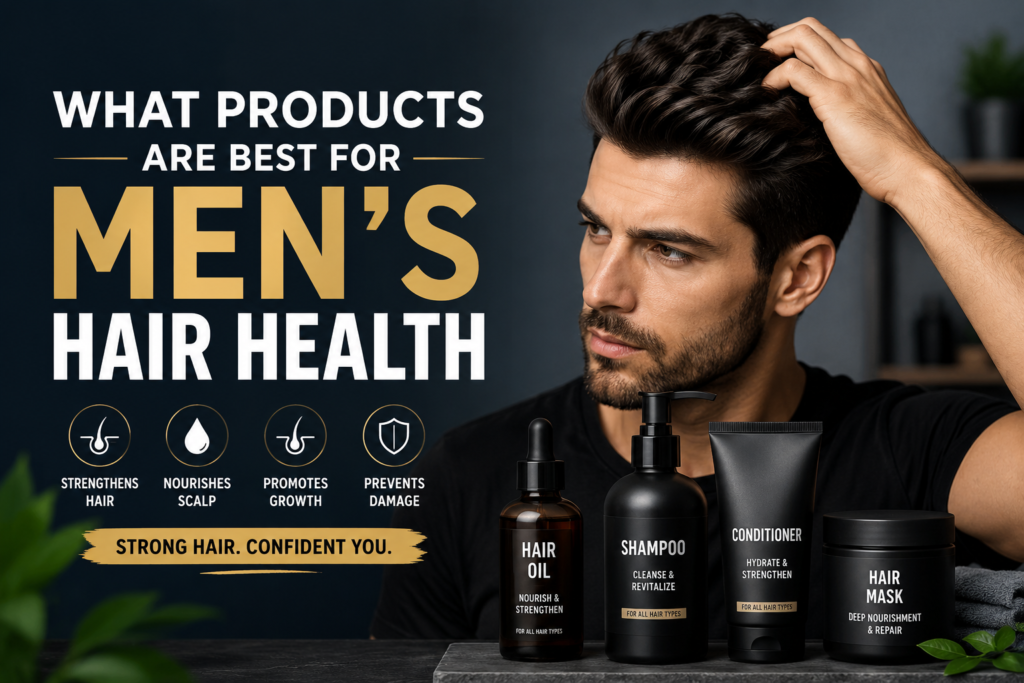
Let’s be honest, most men don’t think about their hair until something goes wrong. You wake up one morning, glance in the mirror, and suddenly your hairline looks a little… further back than it used to. Or maybe your hair feels dry, brittle, or just flat and lifeless no matter what you do.
Sound familiar? You’re not alone.
Hair loss and poor hair health affect millions of men worldwide, and the market is absolutely flooded with products claiming to be the miracle fix. The problem? Most of them are overhyped, overpriced, or just plain don’t work.
So in this guide, we’re cutting through the noise. We’ll walk you through what products are best for men’s hair health in 2026 backed by real science, not just clever marketing. Whether you’re dealing with thinning hair, breakage, a dry scalp, or just want thicker, healthier hair, there’s something here for you.
Let’s get into it.
Why Men’s Hair Health Deserves More Attention
Here’s the thing men often don’t realize: your hair is a direct reflection of your internal health. When your body is stressed, nutritionally deficient, or your hormones are off, your hair is usually one of the first things to show it.
Male pattern baldness technically called androgenetic alopecia affects roughly 50% of men by age 50. But hair thinning and shedding aren’t just about genetics. Lifestyle factors like poor diet, chronic stress, harsh hair products, and even over-washing can silently sabotage your scalp health long before genetics come into play.
The good news? A solid, consistent hair care routine built around the right products can genuinely slow hair loss, improve scalp health, boost thickness, and keep your existing hair looking its best. And that’s exactly what products are best for men’s hair health comes down to choosing the right tools for the job.
What Products Are Best for Men’s Hair Health:
1. The Right Shampoo — Your Hair’s First Line of Defense
Most men treat shampoo as an afterthought. Grab whatever’s in the shower, lather up, rinse, done. But if you’re dealing with thinning hair, a dry scalp, or hair that just looks dull your shampoo might actually be part of the problem.
What to look for in a men’s hair health shampoo:
The best shampoos for men’s hair health in 2026 don’t just clean. They address the root causes of poor hair health literally. Here are the key ingredients worth your attention:
Ketoconazole is probably the most clinically researched ingredient in anti-hair-loss shampoos. It’s an antifungal that also reduces DHT (dihydrotestosterone) activity at the scalp level and DHT is the primary hormone responsible for male pattern hair loss. Look for shampoos containing 1–2% ketoconazole. Nizoral is the most well-known brand, and it genuinely works for a lot of men.
Saw Palmetto is a plant-based DHT blocker that’s become increasingly popular as a natural alternative. It’s found in many premium shampoos and supplements, and while the research is still building, early evidence looks promising.
Biotin-enriched formulas can strengthen the hair shaft and reduce breakage, though biotin applied topically (as opposed to taken internally) has limited absorption. Still, many men notice improvements in texture and shine.
Caffeine-based shampoos this one surprises a lot of people. Caffeine actually penetrates the scalp and has been shown in studies to stimulate hair follicle growth by blocking the effects of DHT at the cellular level. Alpecin is a popular brand in this category.
Zinc Pyrithione is another scalp-health superstar. It controls dandruff, reduces scalp inflammation, and creates a healthier environment for hair growth. Brands like Head & Shoulders use this as their active ingredient.
What to avoid: Sulfates (especially sodium lauryl sulfate) strip the scalp of its natural oils and can cause irritation and dryness over time. If you’re washing your hair daily, a sulfate-free formula is worth the switch. Also avoid silicones if you want your hair to actually breathe — they coat the shaft temporarily but can lead to buildup that weighs hair down.
Pro tip: You don’t need to shampoo every single day. For most men, 3–4 times per week is plenty. Over-washing disrupts your scalp’s natural oil balance and can actually make hair loss worse.
2. Conditioner — The Step Most Men Skip (And Shouldn’t)
Here’s a stat that might surprise you: men who use conditioner regularly have measurably stronger hair with less breakage than those who don’t. Yet a huge percentage of men either skip it entirely or use it wrong.
The conditioner seals the hair cuticle, reduces friction, and delivers moisture deep into the hair shaft. For men with dry, brittle, or chemically-treated hair, it’s not optional, it’s essential.
Best conditioners for men’s hair health:
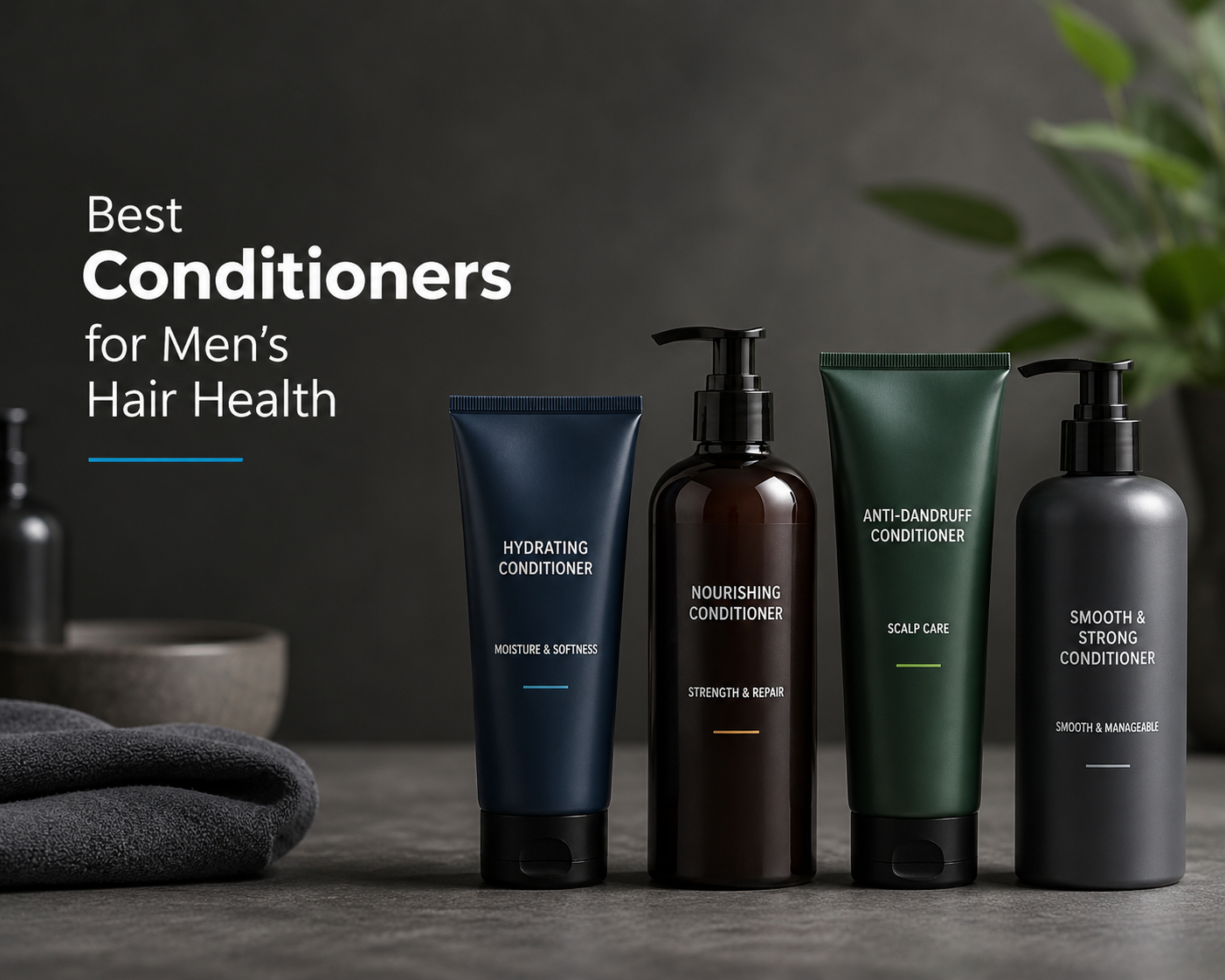
Look for conditioners that contain argan oil, keratin, or hydrolyzed proteins. These ingredients repair and strengthen damaged hair from the inside out. Argan oil in particular is exceptional for restoring shine and managing frizz without making hair feel greasy.
Leave-in conditioners are great for men with longer or thicker hair. They provide ongoing moisture throughout the day and act as a heat protectant if you use styling tools.
For fine or thinning hair: Look for lightweight, volumizing conditioners rather than thick, moisturizing ones. Heavy conditioners can weigh fine hair down and make it look even thinner. Look for words like “volumizing,” “thickening,” or “lightweight” on the label.
Application tip: Apply conditioner from mid-shaft to ends. Most men don’t need conditioner on their scalp; that area produces its own natural oils. Focusing on the ends prevents build-up while still protecting the hair that needs it most.
3. Scalp Serums and Treatments — The Game Changer
If there’s one category that’s genuinely evolved in the last few years, it’s scalp treatments. And for men serious about preventing hair loss or stimulating regrowth, this is where the real action happens.
Minoxidil — The Gold Standard
Let’s start with the heavyweight champion: minoxidil. It’s been FDA-approved for hair loss since 1988 and remains the most clinically proven topical treatment for male pattern baldness.
Minoxidil works by widening blood vessels in the scalp, increasing blood flow to hair follicles, and extending the growth phase of the hair cycle. Results typically start showing at 3–6 months of consistent use.
Originally only available as a liquid (the 2% and 5% formulas), minoxidil is now widely available in foam form, which many men prefer for ease of application and less greasiness. Brands like Rogaine, Hims, and Keeps are popular, but many generic versions contain the exact same active ingredient at a fraction of the price.
One important note: minoxidil doesn’t stop the underlying cause of hair loss (DHT). It keeps existing follicles active. If you stop using it, hair loss will resume. Think of it as maintenance, not a cure.
Rosemary Oil Scalp Serums
Here’s where things get interesting for men who prefer natural approaches. A 2015 study published in the journal Skinmed found that rosemary oil was just as effective as 2% minoxidil for hair regrowth after 6 months with fewer side effects (mainly scalp itching, which was actually lower in the rosemary group).
Rosemary oil is thought to improve circulation to the scalp and inhibit DHT, similar to how minoxidil works. Brands like Mielle Organics and The Ordinary have popularized rosemary-based scalp serums that are affordable, accessible, and increasingly well-reviewed.
Peptide Serums
This is the cutting-edge category in 2026. Peptide-based hair serums use small chains of amino acids that signal hair follicles to stay in their growth phase longer. Look for ingredients like Capixyl, Procapil, or Redensyl; these are clinically studied peptide complexes showing real promise for hair density.
They’re pricier than standard minoxidil but appeal to men who want something beyond conventional treatments and are willing to invest.
4. Hair Vitamins and Supplements
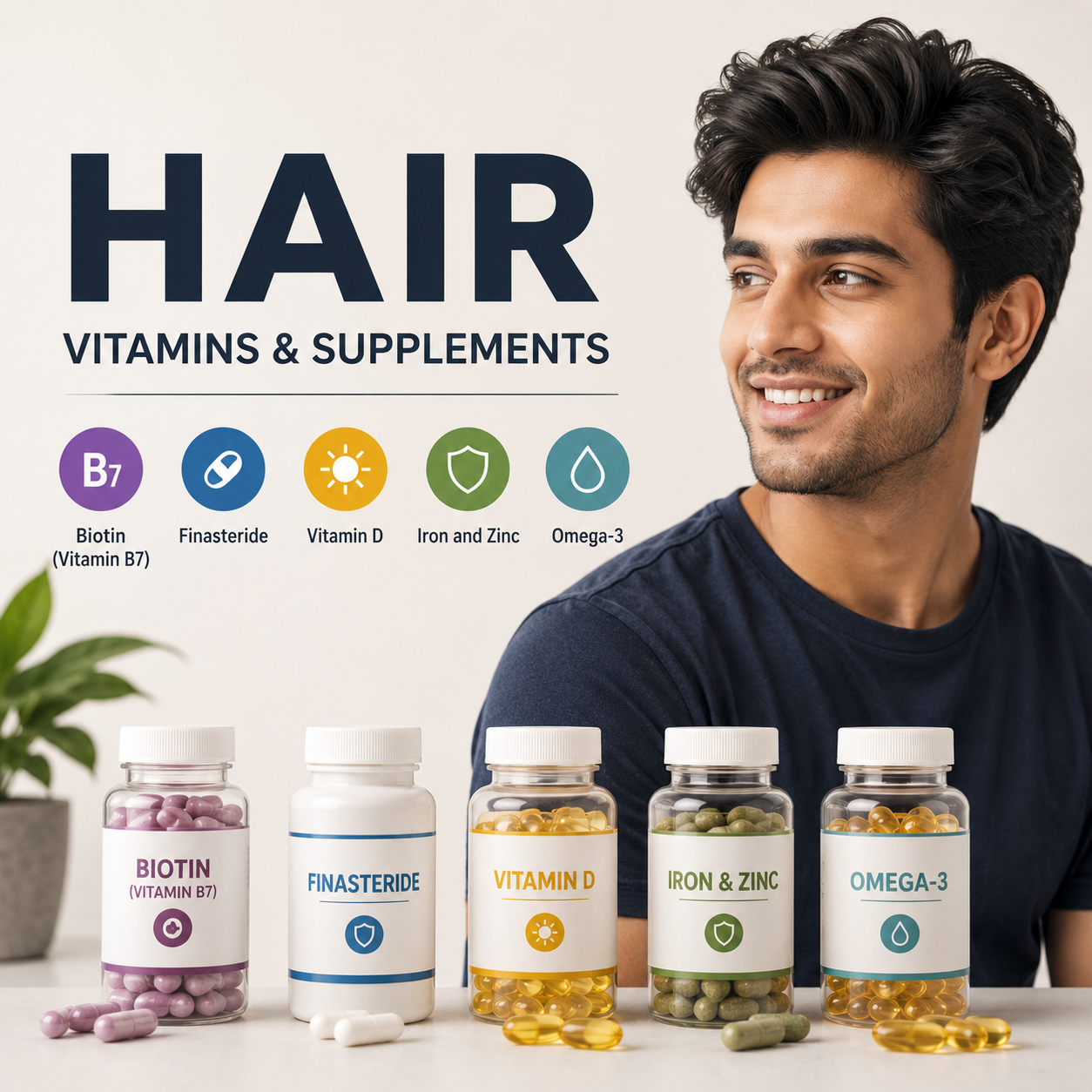
The supplement aisle can feel like the Wild West. Every bottle promises thicker, fuller hair. But which ones are actually backed by evidence?
Let’s break down the supplements worth your money and the ones you can skip.
Biotin (Vitamin B7)
Biotin is probably the most famous hair supplement on the market. And here’s the honest truth: if you’re not biotin-deficient (which most men aren’t), taking extra biotin probably won’t do much for your hair. However, men with poor diets, certain medical conditions, or those recovering from hair loss may see improvement.
That said, biotin is generally safe, inexpensive, and very commonly included in comprehensive hair health formulas. Look for 2,500–5,000 mcg doses.
DHT-Blocking Supplements (Saw Palmetto, Pumpkin Seed Oil)
This is where supplements can genuinely help men with genetic hair loss. Saw palmetto inhibits the enzyme (5-alpha reductase) that converts testosterone into DHT. Multiple small studies have shown meaningful reduction in hair loss with consistent supplementation.
Pumpkin seed oil is another natural 5-alpha reductase inhibitor showing promising results, particularly a 2014 study where men taking pumpkin seed oil supplements experienced a 40% increase in hair count after 24 weeks.
Finasteride (Prescription)
Worth mentioning here even though it’s not an over-the-counter supplement. Finasteride (brand name Propecia) is a prescription DHT-blocker that works systemically meaning it reduces DHT throughout the body. It’s one of the most effective treatments for male pattern baldness, with studies showing it halts hair loss in 86% of men and promotes regrowth in about 65%.
However, a minority of men report side effects including reduced libido or sexual function. Anyone considering finasteride should discuss it with their doctor. Telehealth platforms like Hims, Keeps, and Roman have made getting a prescription more accessible than ever in 2026.
Vitamin D
Low vitamin D levels have been strongly linked to hair loss and poor hair health. Many men, especially those who work indoors or live in northern climates are deficient without knowing it. A simple blood test can confirm, and supplementing 1,000–2,000 IU daily is safe and often recommended.
Iron and Zinc
Iron deficiency is a surprisingly common cause of hair loss in men, particularly those who follow plant-based diets. Similarly, zinc plays a crucial role in hair follicle repair and maintaining the oil-secreting glands around follicles. If you suspect a deficiency, get a blood test before supplementing too much iron or zinc can actually cause other issues.
Collagen Peptides
Collagen provides the structural proteins that make up hair. As men age, collagen production naturally declines. Supplementing with hydrolyzed collagen peptides particularly marine collagen, which has higher bioavailability has been linked to improved hair thickness and reduced breakage in several studies.
Omega-3 Fatty Acids (Fish Oil)
Fish oil reduces scalp inflammation (a significant contributor to follicle damage), supports sebum production, and delivers essential fatty acids the scalp needs to stay healthy. A study published in the Journal of Cosmetic Dermatology found that participants taking omega-3 and omega-6 supplementation showed significantly reduced hair loss and improved hair density after 6 months.
5. Styling Products That Don’t Damage Your Hair
Here’s a topic most hair health guides skip over entirely but it matters. The styling products you use every single day can either protect your hair or slowly destroy it.
Products to use: Water-based pomades and creams are generally safe, easy to wash out, and don’t clog follicles. Clay-based products add texture and volume without the heaviness of wax. Look for styling products that contain nourishing ingredients like beeswax, shea butter, or coconut oil.
Products to avoid or use sparingly: High-alcohol hairsprays can be incredibly drying and lead to brittleness. Heavy petroleum-based pomades can build up on the scalp and potentially clog follicles over time. Gel with hard-hold alcohol is another one to be cautious with, especially if you’re already dealing with thinning hair.
Heat styling: Blow dryers, flat irons, and curling tools cause real damage with repeated use; they literally cook the protein structure of the hair shaft. If you use heat tools, always apply a heat protectant spray first and keep the temperature moderate (under 350°F when possible).
6. Scalp Massagers and Tools
This is the category you didn’t expect, but it genuinely works and it’s free. Scalp massage has been shown in research to increase scalp thickness and hair growth by stimulating blood flow to follicles and potentially stretching cells around follicles to promote growth.
A 2019 study in Dermatology and Therapy found that standardized scalp massage performed for just 4 minutes daily resulted in significantly improved hair thickness after 24 weeks.
Scalp massager tools (silicone or electric) are inexpensive, widely available, and when used consistently while shampooing or applying serums, can meaningfully amplify the effectiveness of other products.
Building Your Daily Hair Health Routine
So how do you put this all together? Here’s a practical, realistic routine based on what products are best for men’s hair health:
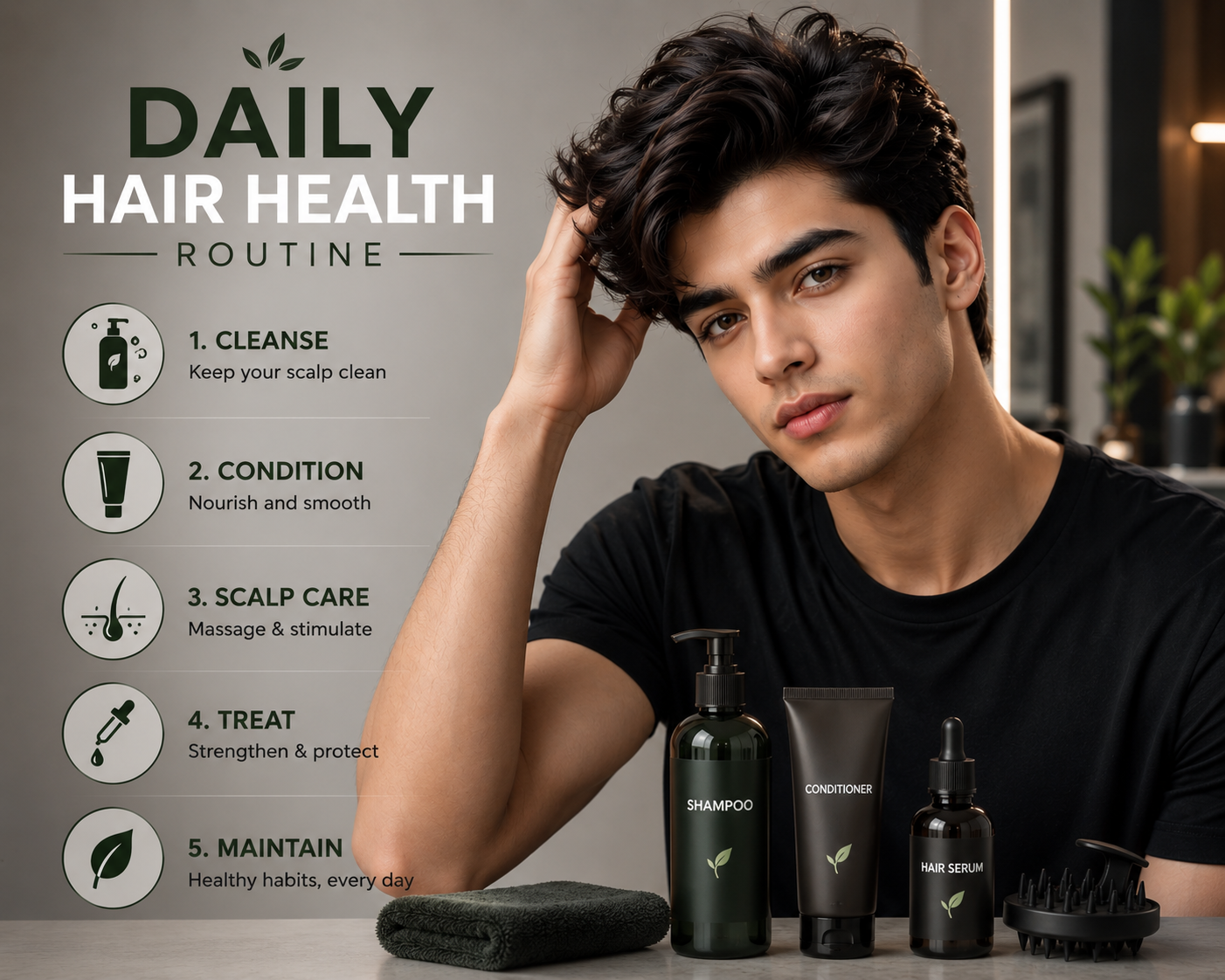
Morning: Apply minoxidil or your chosen scalp serum to dry scalp. Take your daily supplements (biotin, vitamin D, saw palmetto, fish oil). Style with a water-based product.
Wash Days (3–4x per week): Use a ketoconazole or caffeine-based shampoo. Follow with a lightweight conditioner from mid-shaft to ends. Use a scalp massager while shampooing for 3–4 minutes. Pat dry gently rubbing causes breakage.
Weekly: Apply a deep conditioning hair mask or hot oil treatment (argan, coconut, or castor oil) and leave on for 20–30 minutes before washing out.
Always: Protect your hair from excessive sun exposure (UV damage is real), stay hydrated, manage stress, and sleep enough. Sleep deprivation has direct negative effects on hair growth hormones.
Foods That Support Men’s Hair Health
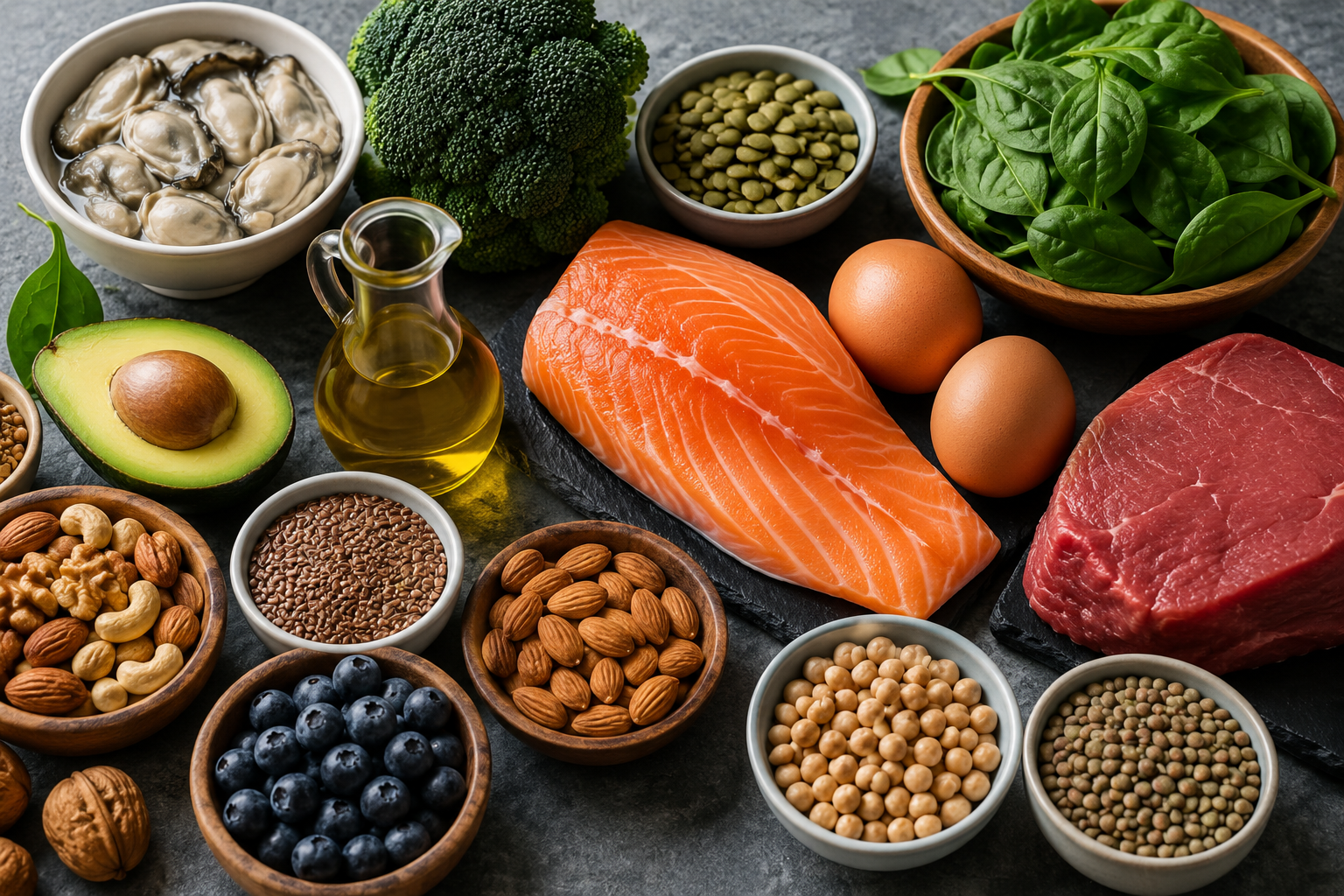
Products are only part of the equation. What you eat directly impacts what your hair can do. The best hair health products in the world can’t fully compensate for a poor diet.
Foods that support men’s hair health include eggs (rich in biotin and protein), fatty fish like salmon (packed with omega-3s and vitamin D), oysters (one of the best dietary sources of zinc), spinach and leafy greens (iron, folate, vitamins A and C), sweet potatoes (beta-carotene, which converts to vitamin A and promotes sebum production), and nuts and seeds, particularly walnuts and flaxseeds.
Protein is especially critical. Hair is made almost entirely of keratin, which is a protein. Men who don’t consume enough protein often notice increased shedding. Aim for at least 0.7 grams of protein per pound of body weight daily.
Where to Buy Effective Hair Growth Products for Men
In 2026, access to quality hair products has never been easier. Here are the best places to find everything discussed in this guide:
Pharmacies (CVS, Walgreens, Boots): Great for minoxidil (generic is just as effective as Rogaine), ketoconazole shampoos, and basic supplements.
Telehealth platforms (Hims, Keeps, Roman, Forhims): Best for getting prescription finasteride or prescription-strength minoxidil without needing an in-person doctor’s appointment. Often more affordable than traditional clinics.
Amazon: Convenient for scalp serums, scalp massagers, and supplement bundles. Always check reviews and look for products with transparent ingredient lists.
Dermatologist or trichologist: If hair loss is severe, sudden, or doesn’t respond to OTC treatments, a specialist can diagnose the underlying cause and prescribe more aggressive treatments including PRP (platelet-rich plasma) therapy or prescription-strength topicals.
What Products Are Best for Men’s Hair Health — Quick Reference Summary
Here’s a snapshot of everything we covered, organized by category:
Shampoos: Ketoconazole (Nizoral), caffeine-based (Alpecin), zinc pyrithione (Head & Shoulders Extra Strength), biotin-enriched, or saw palmetto formulas
Conditioners: Argan oil-infused, keratin conditioners, leave-in conditioners for dryness, lightweight volumizing formulas for fine/thinning hair
Scalp Treatments: 5% minoxidil foam or liquid (Rogaine, generic), rosemary oil serums, peptide serums with Redensyl or Capixyl
Supplements: Biotin (2,500–5,000 mcg), saw palmetto, pumpkin seed oil, vitamin D, fish oil/omega-3s, collagen peptides, iron and zinc (if deficient)
Prescriptions (via doctor/telehealth): Finasteride (Propecia), prescription minoxidil 5%+
Tools: Scalp massager, heat protectant spray, microfiber towel (reduces breakage vs. regular towels)
Foods: Eggs, salmon, oysters, spinach, walnuts, sweet potatoes, lean meat
Frequently Asked Questions (FAQs)
What are the top-rated hair care products for men’s hair health?
The top-rated products in 2026 include Nizoral Anti-Dandruff Shampoo (ketoconazole), Rogaine 5% Minoxidil Foam, Alpecin Caffeine Shampoo, Mielle Rosemary Scalp Serum, and Nutrafol Men’s Hair Growth Supplement. These have the best combination of clinical backing, user reviews, and long-term results.
Which shampoos are best for improving men’s hair health?
The best shampoos for men’s hair health target DHT reduction, scalp health, and follicle stimulation simultaneously. Ketoconazole shampoos (like Nizoral) are clinically proven. Caffeine shampoos (like Alpecin) stimulate follicles. For general scalp health, zinc pyrithione shampoos reduce inflammation and dandruff that can inhibit healthy hair growth.
Can you recommend conditioners that promote healthy hair for men?
Yes — for most men, a lightweight argan oil or keratin conditioner works excellently. For thinning hair, try Pura D’Or’s Biotin volumizing conditioner or Hims’ conditioner. For dry or coarse hair, a thicker repair conditioner with hyaluronic acid or shea butter delivers deep moisture without weighing hair down.
What hair vitamins or supplements support men’s hair health?
The most evidence-backed supplements for men’s hair health are biotin, saw palmetto, vitamin D, omega-3 fatty acids (fish oil), and zinc. For a comprehensive approach, consider branded formulas like Nutrafol Men or Viviscal Man, which combine multiple active ingredients in clinically studied doses.
What are the best hair loss prevention products for men?
The gold standard for prevention is a combination approach: a DHT-blocking shampoo (ketoconazole or caffeine-based), topical minoxidil, and either a supplement like saw palmetto or prescription finasteride. Used consistently together, these create a multi-layered defense against the most common causes of male hair loss.
What is the best hair loss treatment for males over the counter?
5% minoxidil is the most effective OTC hair loss treatment for men; it’s FDA-approved, widely available without a prescription, and has decades of clinical data behind it. Ketoconazole shampoo and caffeine shampoos are strong supporting players that enhance results when used alongside minoxidil.
What are the best products for thinning hair in males?
For thinning hair specifically, focus on volumizing shampoos (avoid heavy sulfates), lightweight conditioners, scalp serums with minoxidil or rosemary oil, and supplements like biotin and pumpkin seed oil. Avoid heavy waxes and pomades that flatten fine hair and can clog follicles.
What is the best regrowth hair shampoo for men?
Alpecin Caffeine Shampoo C1 and Nizoral 1% ketoconazole shampoo are consistently top-rated for regrowth support. For a premium option, Pura D’Or Anti-Thinning Biotin Shampoo with its 17-active-ingredient formula has strong community support and a solid money-back guarantee.
Where can I buy effective hair growth products for men?
You can find most products at major pharmacies (CVS, Walgreens), Amazon, or directly through telehealth platforms like Hims and Keeps for both OTC and prescription options. For personalized diagnosis and prescription-strength treatments, a dermatologist or trichologist is the best route.
What is the best hair loss treatment for men according to Reddit?
The Reddit hair loss community (particularly r/tressless and r/malehairadvice) consistently recommends what’s called the “Big 3”: minoxidil + finasteride + ketoconazole shampoo. This combination addresses hair loss from multiple angles simultaneously stimulating growth, blocking DHT systemically, and reducing scalp inflammation.
Are men’s hair growth products reviews reliable?
Product reviews vary significantly in quality. Look for reviews that mention consistent long-term use (6+ months), before-and-after specifics, and multiple verified sources. Independent platforms and subreddits tend to be more honest than brand websites. Clinical studies and dermatologist endorsements carry the most weight.
What are effective hair growth treatments for men?
The most effective treatments in order of evidence strength are: prescription finasteride (systemic DHT blocker), 5% topical minoxidil, ketoconazole shampoo (topical DHT reduction), PRP therapy (platelet-rich plasma injections done by specialists), low-level laser therapy (LLLT devices like the iRestore helmet), and natural options like rosemary oil and saw palmetto.
What styling products are best for healthy men’s hair?
Water-based pomades, sea salt sprays, and clay products are generally the safest for hair health. They hold well, wash out cleanly, and don’t clog follicles. Avoid alcohol-heavy gels, heavy petroleum waxes, and any products you find hard to wash out buildup on the scalp is bad news for follicle health.
Final Thoughts
Figuring out what products are best for men’s hair health doesn’t have to be complicated but it does require some consistency and commitment. There’s no overnight miracle. The men who get the best results are the ones who build a routine, stick to it for at least 3–6 months, and combine the right products with a healthy lifestyle.
Start with the basics: a quality shampoo, conditioner, and a targeted scalp treatment. Add in a few well-chosen supplements. And if your hair loss is progressing faster than you’d like, don’t wait to speak to a dermatologist or use a telehealth platform to explore prescription options sooner rather than later.
Your hair is worth the investment. And in 2026, the tools to protect it have never been better.