
Table of Contents
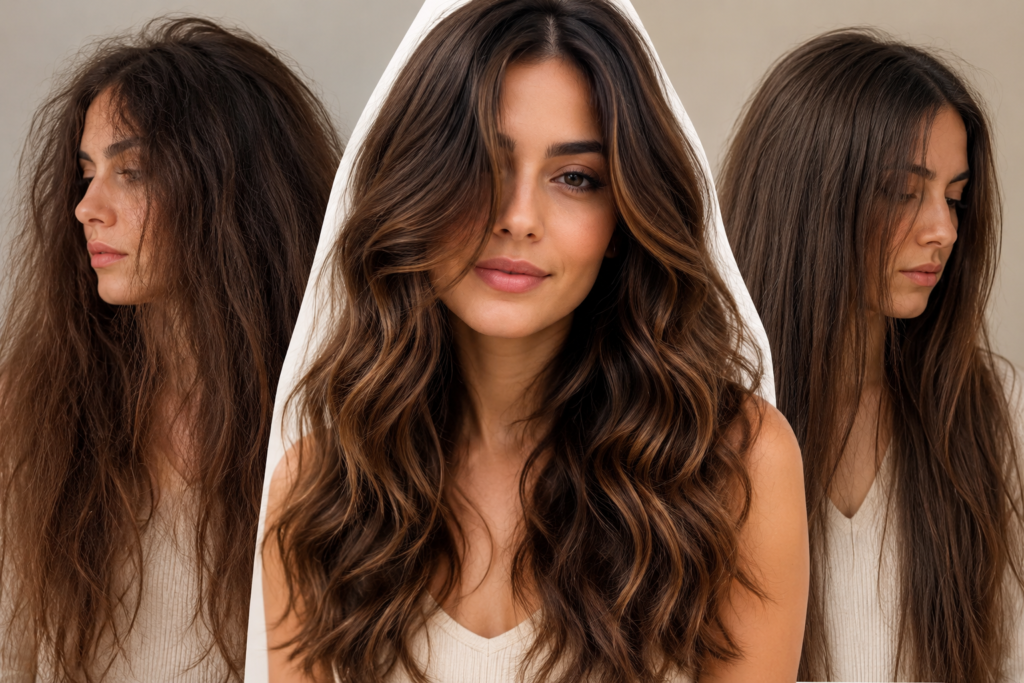
Can I tell you something that might feel controversial? Wavy hair is actually the most forgiving hair type to work with — and most people who have it are completely wasting it.
I’ve been styling hair for years, and, hands down, clients with wavy hair are the ones who walk in most frustrated. They come in with their hair pulled into a bun, apologizing for ‘the mess,’ when what they actually have is texture, movement, and natural body that people with stick-straight hair genuinely dream about.
But here’s the real issue: wavy hair is high-maintenance in a very specific way. It doesn’t behave like straight hair, so straight-hair tips don’t work. And it doesn’t behave exactly like curly hair either, so curly-hair advice only half works. Wavy hair needs its own rules. And nobody teaches those rules clearly enough.
That’s what I’m doing here. This is the complete, honest guide to understanding and actually styling wavy hair — whether yours is loose and barely-there or thick, bold waves that border on curly. We’re covering everything: wave types, the right cuts, real styling routines, men’s styles, and the exact mistakes that are making your waves frizzy and flat. Let’s get into it.
| From the Chair: Everything in this guide comes from real client experience. I’ve worked with every wave type on this list, and I’ll tell you exactly what I’ve seen work — and what I’ve seen go badly wrong. |
What Actually Makes Wavy Hair Different
Before we talk styles and products, let’s get one thing straight — no pun intended. Wavy hair is genuinely its own category, not just ‘almost curly’ or ‘barely straight.’ The difference comes down to the shape of your hair follicle.
Straight hair grows from a perfectly round follicle—curly hair from a tight oval. Wavy hair sits in between — a slightly oval follicle that produces a strand with a natural S-bend. That S-bend is your wave. And it means your hair naturally has movement, texture, and volume built into it that no amount of styling can give straight hair permanently.
The tricky part? That same S-bend is what makes wavy hair unpredictable. It reacts to humidity, to how you dry it, to whether you touched it while it was still wet, to what pillow you slept on last night. There are more variables with wavy hair than most people realize, which is why so many people never quite crack their routine.
The good news: once you understand your specific wave type and what it needs, wavy hair becomes genuinely low effort. I’ve had clients go from spending 45 minutes fighting their hair every morning to spending 10 minutes enhancing what’s already there.
Know Your Wave: The 2A, 2B, and 2C Breakdown
This is where most wavy hair guides start — and for good reason. Your wave type changes everything: which products to use, which cuts to ask for, how to dry your hair, even how often you should wash it. Let me break this down in a way that’s actually useful.
| Type 2A — The Soft WaveFine, delicate, loose waves that are almost straight at the roots and develop a gentle S-shape toward the ends. If you look at your hair and think, ‘I don’t even know if I have wavy hair,’ you’re probably a 2A. The good news: this type is the easiest to style. The challenge is that it loses definition fast, especially in humidity.Quick tips:Use lightweight products only — anything heavy makes this hair type look limp and greasy within hours.Sea salt spray on damp hair is your best friend. It gives you texture without weight.Air dry whenever you can. Blow drying on high heat completely flattens 2A waves.Don’t touch it while it dries. Scrunching too much turns 2A waves into frizz. |
| Type 2B — The Beachy WaveThis is what most people picture when they imagine ‘wavy hair’ — a proper S-shape that starts around the mid-lengths, with roots that sit relatively flat. 2B hair has real texture and hold. Think of it as the sweet spot: enough wave to look intentional, but manageable enough that it doesn’t take over your life.Quick tips:This type works beautifully with a diffuser on low heat — it defines the wave without disturbing the pattern.Leave-in conditioner on the mid-lengths and ends prevents the frizz that 2B hair is prone to in humidity.Avoid brushing when dry. Always detangle wet hair with a wide-tooth comb.Layered cuts are ideal — they help the wave move freely instead of getting weighed down. |
| Type 2C — The Bold WaveThick, coarse, and borderline curly — 2C waves start right from the root and have the most defined S-shape of the three types. This is the wave type with the most attitude. On a good day, it looks like runway hair. On a bad day (usually a humid one), it can look enormous. The key is learning how to work with the volume, not fight it.Quick tips:Curl cream or a light styling gel keeps 2C waves defined without crunch.The curly girl method works well for this type — co-washing, no sulfates, no heat.Microfiber towel or cotton t-shirt to dry — regular towels create friction and frizz.Layered cuts with face-framing pieces are essential. Without layers, 2C hair can look very bulky. |
The Things Nobody Tells You About Wavy Hair
I’ve read a lot of wavy hair guides while putting this together. Most of them cover the basics — wave types, a product list, and a couple of haircut names. What they rarely cover are the real problems that wavy-haired people face every single day. So let me fix that.
The Porosity Problem
Wavy hair’s behavior is heavily affected by porosity — basically, how quickly your hair absorbs and releases moisture. High-porosity wavy hair (usually from heat damage or coloring) absorbs water fast but loses it fast too, which is why it gets frizzy in humidity and feels dry by the afternoon. Low-porosity wavy hair repels moisture, which is why products just sit on top without absorbing.
- High porosity? Use protein treatments and heavier leave-in conditioners. Your hair needs help holding moisture in.
- Low porosity? Apply products to wet hair right after washing while the cuticle is still open. Use lightweight, water-based products.
- Not sure which you are? Take a single strand from your brush, drop it in a glass of water. If it sinks fast, high porosity. If it floats for a while, low porosity. If it sinks slowly, you’re in the middle — lucky you.
The Hard Water Issue
If you live in an area with hard water (which is most urban areas), mineral deposits build up on your wavy hair over time and make it look dull, heavy, and resistant to styling. This is why your routine that worked perfectly somewhere else suddenly doesn’t work in your new apartment.
The fix is simple but rarely mentioned: use a chelating or clarifying shampoo once a month to clear the buildup. Your waves will literally bounce back within one wash.
The Humidity Switch
Wavy hair absorbs moisture from the air, which is why it behaves completely differently on a rainy day versus a dry one. This isn’t a product problem — it’s physics. The solution is anti-humidity products (usually serums or finishing sprays with silicone or flaxseed gel as a base) applied as the final step in your routine to create a seal between your hair and the air.
| Stylist Warning: The number one mistake I see with wavy frizzy hair: applying anti-frizz serum to dry hair after everything else has dried. By then, your wave pattern is already set, and the serum just sits on top, making the hair look greasy. Apply it to wet hair, in the shower, or right after. |
The Best Haircuts for Wavy Hair (And Why Each One Works)
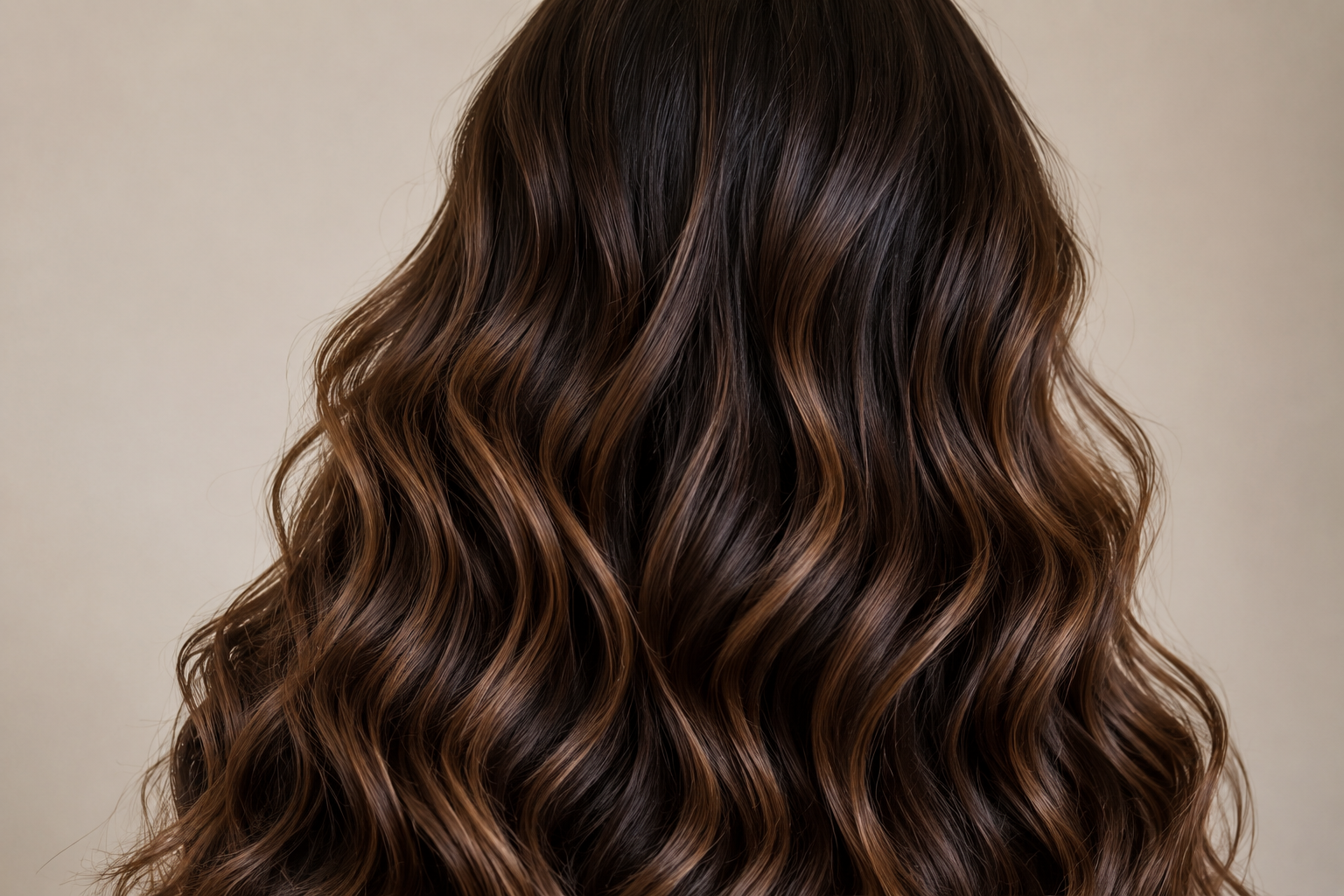
The right haircut does most of the work for you. With wavy hair, especially, the cut you choose either works with your wave pattern or against it. Here’s what I actually recommend — and what I’ve seen transform my clients’ hair:
The Layered Lob — My Go-To for Wavy Hairstyles for Medium Hair
A long bob with layers is the most universally flattering cut I offer for medium wavy hair. The length sits just below the collarbone, which is the perfect weight for waves to form properly. Layers throughout the length allow the wave to move freely instead of being pulled down by its own weight. This is also one of the best haircuts for wavy frizzy hair because removing bulk actually reduces frizz.
| Pro Tip: Ask your stylist for ‘long-point-cut layers’ specifically. Regular horizontal layers on wavy hair can create harsh lines. Point-cutting blends everything so the waves look seamless. |
The Shag Cut — Best for Curly Wavy Hairstyles Women Love
Curtain bangs, choppy layers at every level, and lots of texture throughout. The shag cut has been everywhere for the past few years, and it’s popular for a reason — it’s specifically designed to enhance natural texture. On wavy hair, it’s almost unfairly good. It looks like you spent time on it when you barely did anything. Great for 2B and 2C types, especially.
Long Layers — For Long Wavy Hair for Women
If you’re committed to keeping length, long layers are non-negotiable for wavy hair. Without any layers, long wavy hair gets too heavy, and the waves collapse from the midpoint down. Long layers are subtle — you won’t see a dramatic difference in photos, but you’ll feel a massive difference in how the hair moves and how the waves hold their shape throughout the day.
The Rounded Bob — For Short Wavy Frizzy Hair
Chin-length, rounded underneath, and either layered or blunt on top, depending on your wave type. For 2A and 2B types, a rounded bob is incredibly polished. It controls the volume that loose waves can create at length, while still letting the texture show. For wavy frizzy hair specifically, the shorter length means less surface area for humidity to work on.
The Tousled Pixie — Bold and Zero Effort
For those who want to go short, the tousled pixie bob on wavy hair is genuinely stunning. Your natural wave does all the work. A small amount of styling cream and you’re done. It’s also the ultimate fresh start if your wavy hair has heat damage — you can grow back healthy, undamaged waves from scratch.
The Butterfly Cut — For Long Wavy Hair for Women Who Want Volume
Layers that start high around the face and graduate longer through the back, creating a ‘winged’ shape. On wavy hair, this creates incredible volume around the face and through the crown. It went viral for a reason — the shape is made for textured hair.
Mid Long Wavy Hair Man:
Men with wavy hair have an enormous advantage right now — mid-long wavy hair man styles are everywhere in 2026, from red carpets to street style to the barber chair. The issue is that most barbers are trained to cut straight hair, and wavy hair behaves very differently when it dries. Here’s what actually works:
The Curtain Hair — The Most Requested Style Right Now
Centre part, longer on top, slightly shorter at the sides. On wavy hair, this style looks effortlessly cool because the natural wave gives it movement without any styling required. Apply a tiny amount of lightweight cream to damp hair and let it air dry. That’s genuinely it.
Mid-Length Tousled Waves — The Low Effort Look
Hair that sits between the chin and the shoulder, left to dry naturally with maybe a sea salt spray spritzed in. This is the style that makes straight-haired men genuinely jealous. Run your fingers through it instead of brushing to keep the wave pattern intact.
The Man Bun for Wavy Hair
Wavy hair actually holds a bun better than straight hair because of the natural texture. The bun looks fuller and more interesting. Let it dry loose first so the waves form, then gather it up. This way, the bun has texture instead of just sitting flat.
The Slicked-Back Look
For men who want something more polished — apply a medium-hold gel to wet wavy hair and comb it straight back. The gel controls the wave while you’re in a formal setting, and as it dries throughout the day, some texture comes through naturally.
The Textured Crop
Shorter on the sides, 3–4 inches on top, dried with a diffuser and a little clay. The wave in the top section gives this classic men’s cut texture and personality without any real effort. Works for all three wave types.
| For Men Specifically: The biggest mistake I see with mid-long wavy hair man styling is using a regular towel to dry the hair aggressively, then brushing it. This destroys the wave pattern and creates frizz. Pat dry gently, apply a sea salt spray or light cream, and either let it air dry or use a diffuser on low. |
The Complete Wavy Hair Routine:
Most guides give you a product list. What you actually need is a wavy hair routine that works across multiple days, because how you handle each day is completely different.
Wash Day (Day One)
- Detangle before you wet your hair. Use a wide-tooth comb or your fingers to work through any knots while the hair is dry. Wet tangles are much harder to deal with and cause more breakage.
- Shampoo roots only. Wavy hair doesn’t need shampoo on the lengths — the water running through is enough to clean them. Focusing shampoo on the scalp prevents the mid-lengths from drying out.
- Condition from mid-lengths to ends. Leave it on for 2–3 minutes. If your hair is 2C or prone to dryness, apply a small amount to the roots too.
- Squish to condish. Before rinsing out conditioner, take handfuls of your hair and scrunch upward while it’s still wet. This ‘squishing’ motion encourages your wave pattern to form while the hair still has slip.
- Cool rinse. Finish with a 30-second cold rinse. It closes the cuticle and reduces frizz significantly.
- Apply products to soaking wet hair. Don’t wait until it’s damp. The wetter the better — this is when the wave is most defined, and products absorb properly.
- Plop for 20 minutes. Lay a microfiber towel on a flat surface, flip your hair into the centre, and wrap it up. This absorbs excess water while preserving the wave pattern — much gentler than towel-drying.
- Diffuse on low heat or air dry. Don’t touch while drying. Seriously. Every time you touch wet, wavy hair, you’re disturbing the pattern and creating frizz.
Day Two — The Refresh
Day two wavy hair is often better than day one — the waves are more settled and defined. All you need is a light refresh:
- Wet your hands and scrunch through the lengths lightly.
- Add a small amount of leave-in conditioner or a curl refresher spray.
- Scrunch upward and let it air dry.
- If it looks flat at the roots, flip your head upside down and scrunch at the crown.
Day Three — The Updo Days
By day three, wavy hair usually has some buildup and is better suited to styles that use the texture rather than enhance it:
- A loose braid or fishtail braid — wavy hair holds braids better than any other texture.
- A messy bun — the wave gives it that effortless, undone look that looks intentional.
- Half up, half down — push the crown section forward slightly for lift.
- If your scalp feels oily, dry shampoo at the roots only, let it sit for 2 minutes, then scrunch it in.
Products That Actually Work for Wavy Hair (And What to Avoid)
I’m not going to give you a 15-product list. Here’s what you actually need — and what you absolutely need to stop using:
What to Use
- Sulfate-free shampoo: Non-negotiable. Sulfates are detergents that strip wavy hair of its natural oils, making it dry, brittle, and frizz-prone.
- Lightweight leave-in conditioner: Applied to wet hair after washing. Provides the moisture that wavy hair needs between washes.
- Sea salt spray: The single most effective product for enhancing wavy texture. Mist on wet hair and let it dry naturally.
- Curl cream or light gel: For 2B and 2C types — provides hold and definition without crunch if applied correctly to wet hair.
- Microfiber towel or cotton T-shirt: For drying. Regular terry towels create friction and frizz on wavy hair.
- Anti-humidity serum: Applied as the last step on wet hair to seal against moisture in the air.
What to Stop Using
- Heavy oils (like coconut oil) as a styler: These weigh down wavy hair and make it look greasy, not glossy.
- Thick creams and pomades: Unless your hair is very thick and coarse, 2C — for most wavy hair types, these flatten the wave.
- Regular terry cloth towels: Swap these out immediately. The texture of terry cloth roughens the hair cuticle and kills wave definition.
- Hairbrushes on dry, wavy hair: This is the single fastest way to turn your waves into frizz. Detangle wet only, always.
| Stylist Warning: Over-washing wavy hair is one of the most common mistakes I see. Most wavy hair types only need washing 2–3 times a week at most. Daily washing strips the natural oils that actually help define the wave and keep frizz under control. |
Beyond the Blowout:
One thing wavy hair does that straight hair simply cannot: it holds styles without bobby pins, without hairspray, without much of anything. Here’s how to make the most of that:
Braids
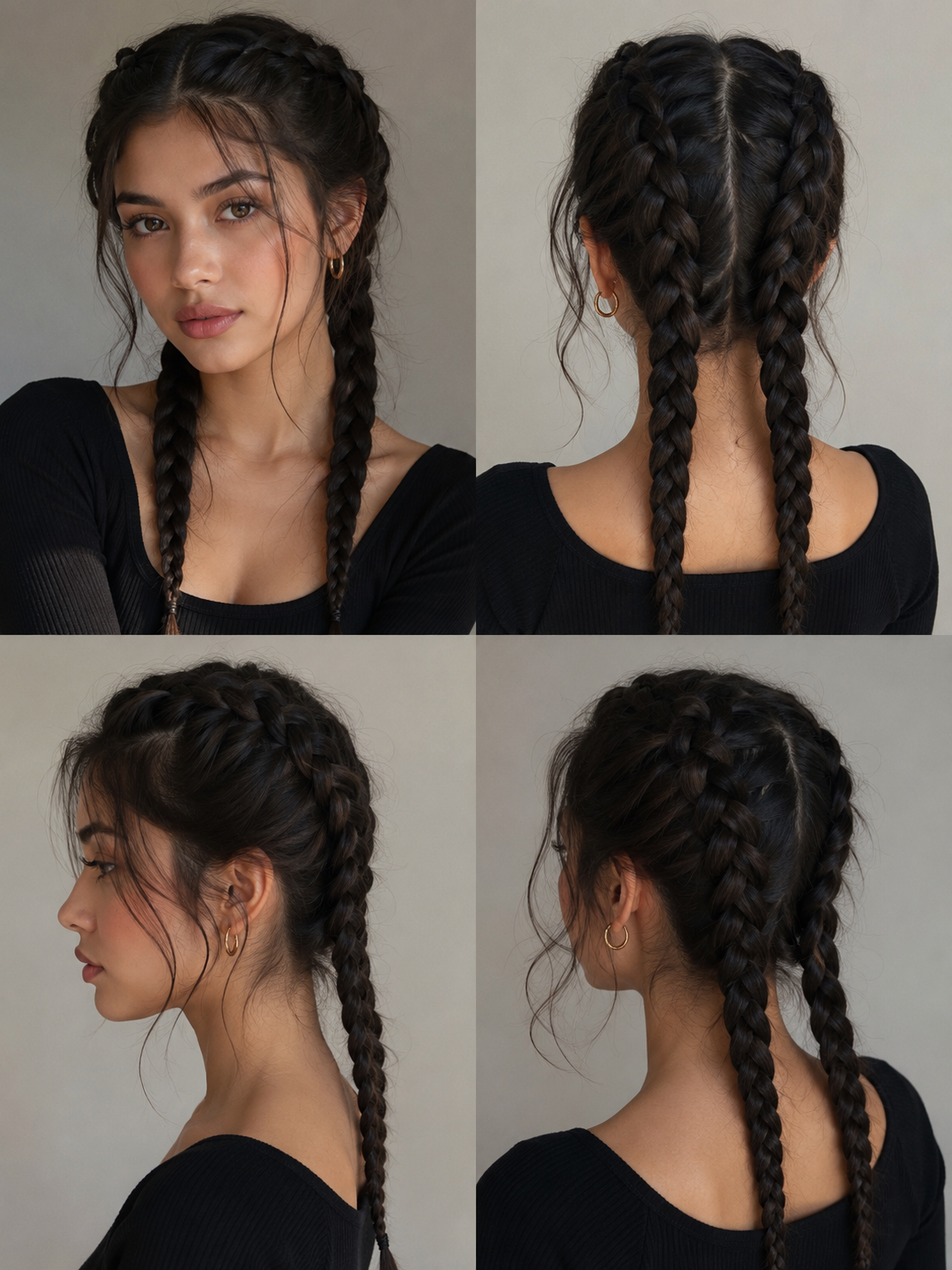
Wavy hair holds braids better than any other texture. The natural grip of the wave means fishtail braids, crown braids, and box braids stay in all day without a single pin. On wavy frizzy hair, especially, braids actually improve with a little texture — they look more bohemian and intentional.
Heatless Wave Enhancement
If your waves have gone flat (usually from over-washing or heavy products), you can reset them completely without heat. Braid damp hair into two or three sections before bed — in the morning, undo the braids and scrunch lightly. You’ll have defined, frizz-free waves with zero heat damage.
The Twisted Updo
Split your wavy hair into two sections, twist each section away from your face, and pin them both at the back. The wave makes each twisted section look thick and textured — this takes about 90 seconds and looks like you put in real effort.
Lived-In Bangs
Slightly undone, wispy bangs blend perfectly with wavy hair for a romantic, effortless aesthetic. They don’t need to be perfectly styled — if anything, a little looseness makes them look better on wavy hair than blunt, precise bangs would.
Wavy Hair Done Right:
Sometimes the best way to understand a hair type is to see it on people who’ve figured it out. Here are a few examples across genders and wave types that I reference with clients:
- Zendaya: Moves effortlessly between defined waves and looser, tousled styles. A masterclass in how versatile wavy hair can be.
- Harry Styles: His mid-length tousled waves became a signature because they looked completely unforced. That’s the goal with wavy hair — it should never look like you fought it.
- Jennifer Lopez: Voluminous, glossy waves at length. Shows what long, wavy hair for women looks like with proper moisture and the right layered cut.
- Timothée Chalamet: Iconic textured waves that prove mid-long wavy hair man styles are genuinely high-fashion right now.
What all of these people have in common: their wavy hair looks like theirs, not like they’re trying to be curly or straight. That’s the mindset shift that changes everything.
The Wavy Hair Mistakes You’re Probably Making Right Now
Let me save you six months of frustration with this list. These are the most common things I see with wavy hair clients — and every single one is fixable:
- Washing every day: Strips the natural oils that define your wave and prevent frizz. Wash 2–3 times a week, maximum.
- Brushing dry: Separates the wave pattern and creates frizz instantly. Always detangle wet hair.
- Drying with a rough towel: The friction is destroying your wave definition before it even has a chance to form.
- Using heavy products: Coconut oil, thick creams, and heavy serums weigh wavy hair down and eliminate lift at the roots.
- Applying products to damp or dry hair: Wave-enhancing products need to be applied to soaking wet hair right out of the shower. This is when the wave pattern is most defined.
- Touching while drying: Every time you run your fingers through drying wavy hair, you disturb the wave and create frizz. Hands off until it’s fully dry.
- Skipping conditioner: Wavy hair needs moisture to stay defined. Skipping conditioner is why your waves are flat and frizzy.
Frequently Asked Questions
Q: How do I know if I have 2A, 2B, or 2C wavy hair?
The easiest way: wash your hair with no products, let it air dry completely without touching it, and look at the result. 2A waves are loose and barely form — almost straight at the roots. 2B has a clear S-shape starting mid-length with flatter roots. 2C has defined waves or almost curls starting right from the root. If you still can’t tell, look at your hair when it’s wet — the wave pattern is clearest then.
Q: Why is my wavy hair frizzy no matter what I do?
Usually one of three things: you’re using products with sulfates or alcohol that dry out the hair, you’re touching it while it dries and disturbing the pattern, or you’re applying products to damp or dry hair instead of soaking wet hair. Also, check whether you live in a hard water area — mineral buildup is a hidden cause of persistent frizz that a monthly clarifying wash can fix completely.
Q: What are the best wavy hairstyles for medium hair?
For wavy hairstyles for medium hair, the layered lob is my number one recommendation. It sits at the perfect length for waves to form without being weighed down, and the layers allow movement. The shag cut is a close second — curtain bangs plus choppy layers create a look that air-dries beautifully. If you want something simpler, a one-length medium cut with face-framing layers is low maintenance and very flattering on most wave types.
Q: What’s the best routine for mid-long wavy hair, man?
For mid-long wavy hair, the routine is simpler than most men expect. Wash with a sulfate-free shampoo 2–3 times a week. Apply a sea salt spray or lightweight curl cream to wet hair. Either air dry or use a diffuser on low heat. Don’t brush it — run your fingers through it loosely when wet, then leave it alone. The wave will do the rest. On off days, refresh with a light spray of water and a small amount of leave-in conditioner.
Q: Are layers good for wavy, frizzy hair?
Yes — layers are probably the most effective tool for managing wavy frizzy hair. Removing bulk through layers reduces the weight that pulls waves down and creates frizz at the ends. Long blended layers throughout the body of the hair work best. Avoid short, choppy layers concentrated only at the top if your hair is on the finer side — they can create volume you can’t control. Ask specifically for ‘ long invisible layers’ and a point-cut finish.
Q: Can I get curly wavy hairstyles women see on social media without heat tools?
Yes, and honestly, you’ll get better results without heat. The heatless method: apply your wave-enhancing product to soaking wet hair, scrunch upward with your hands, then either air dry or diffuse on low. For more defined curly wavy hairstyles women love, twist small sections of wet hair around your finger (called finger coiling) before drying — this encourages tighter, more defined waves without any heat damage.
Q: How do I keep long, wavy hair for women from going flat by midday?
Flat waves by midday are usually caused by heavy products, hard water buildup, or not enough hold in your initial routine. Try adding a lightweight curl gel after your leave-in conditioner on wash day — apply both to soaking wet hair, then scrunch and don’t touch until dry. Once fully dry, scrunch out any crunch from the gel with your hands. Also, check if you’re sleeping on a cotton pillowcase — switching to silk or satin will make a noticeable difference in how long your wave holds.
Q: What’s the best haircut for wavy hair that’s also low maintenance?
The shag cut, without question. Curtain bangs plus layered lengths look like you styled your hair for 30 minutes when you actually just let it air dry. The layers enhance your natural wave pattern, so the style essentially sets itself. If you don’t want bangs, a layered lob is the next best option — it air-dries well and looks polished with zero heat styling required.
The Bottom Line
Here’s what I want you to take away from this guide: your wavy hair is not a problem to be managed. It’s an asset you haven’t learned how to use yet.
The reason it frizzed this morning isn’t that your hair is difficult. It’s that you dried it with the wrong towel, or used products designed for straight hair, or touched it seventeen times while it was still wet. These are solvable problems. All of them.
Start with the basics: figure out your wave type, switch to a sulfate-free shampoo, get a microfiber towel, and stop brushing your hair when it’s dry. Just those four things will change how your hair looks within one wash.
If you want to go further, get a layered cut that works with your wave pattern rather than against it. Learn the plopping technique. Let your waves tell you what they want instead of forcing them into something they’re not.
I’ve watched clients go from apologizing for their wavy hair to texting me photos of it because they’re obsessed. It happens every time someone finally works with their texture instead of fighting it.
You’re closer than you think.