
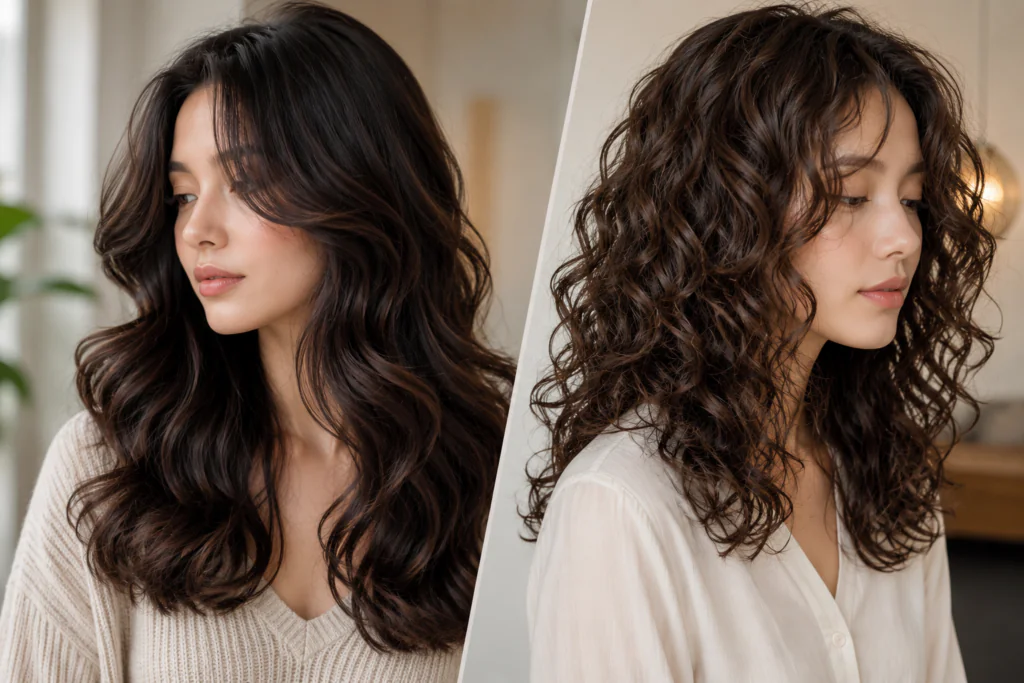
Table of Contents
So you’re standing in front of a salon menu, staring at two words — “digital perm” and “cold perm” — and you have absolutely no idea which one will actually look good on you a month from now. You’re not alone. This is one of the most asked, most poorly answered questions in the hairstyling world, and most articles just throw definitions at you instead of telling you what your mornings will actually look like afterward.
This guide on Digital Perm vs Cold Perm: Which One Actually Suits You? goes beyond the textbook explanation. We’re going to walk through how each perm actually behaves on real hair, what stylists won’t volunteer unless you ask, and how to match the right method to your hair type, lifestyle, and budget — so you don’t end up regretting your appointment three weeks later.
What Is a Hair Perm, Really?
A perm — short for “permanent wave” — is a chemical service that restructures the bonds inside your hair shaft so it holds a curl or wave pattern for several months instead of a few hours with a curling iron. The chemical solution breaks down the hair’s internal protein bonds, the rods reshape the strand, and a neutralizer locks the new pattern into place.
What most blogs skip over is this: not every perm behaves the same way once you walk out of the salon. Two people can get a “perm” and end up with completely different routines, results, and regrets — purely because of which method was used.
Digital Perm vs Cold Perm: The Core Difference
At the most basic level, the difference comes down to heat.
- Korean digital perm (also called a hot perm): chemical solution + heated digital rods that set the curl with controlled temperature.
- Cold perm (the traditional method): chemical solution only, applied to wet hair, with no heat involved at all.
Quick rule of thumb: digital perm curls show their true shape when hair is dry. Cold perm curls show their true shape when hair is wet. This single fact explains almost every complaint people post online about a “perm that didn’t turn out right.”
How Each Method Actually Works
Korean Digital Perm (Hot Perm)
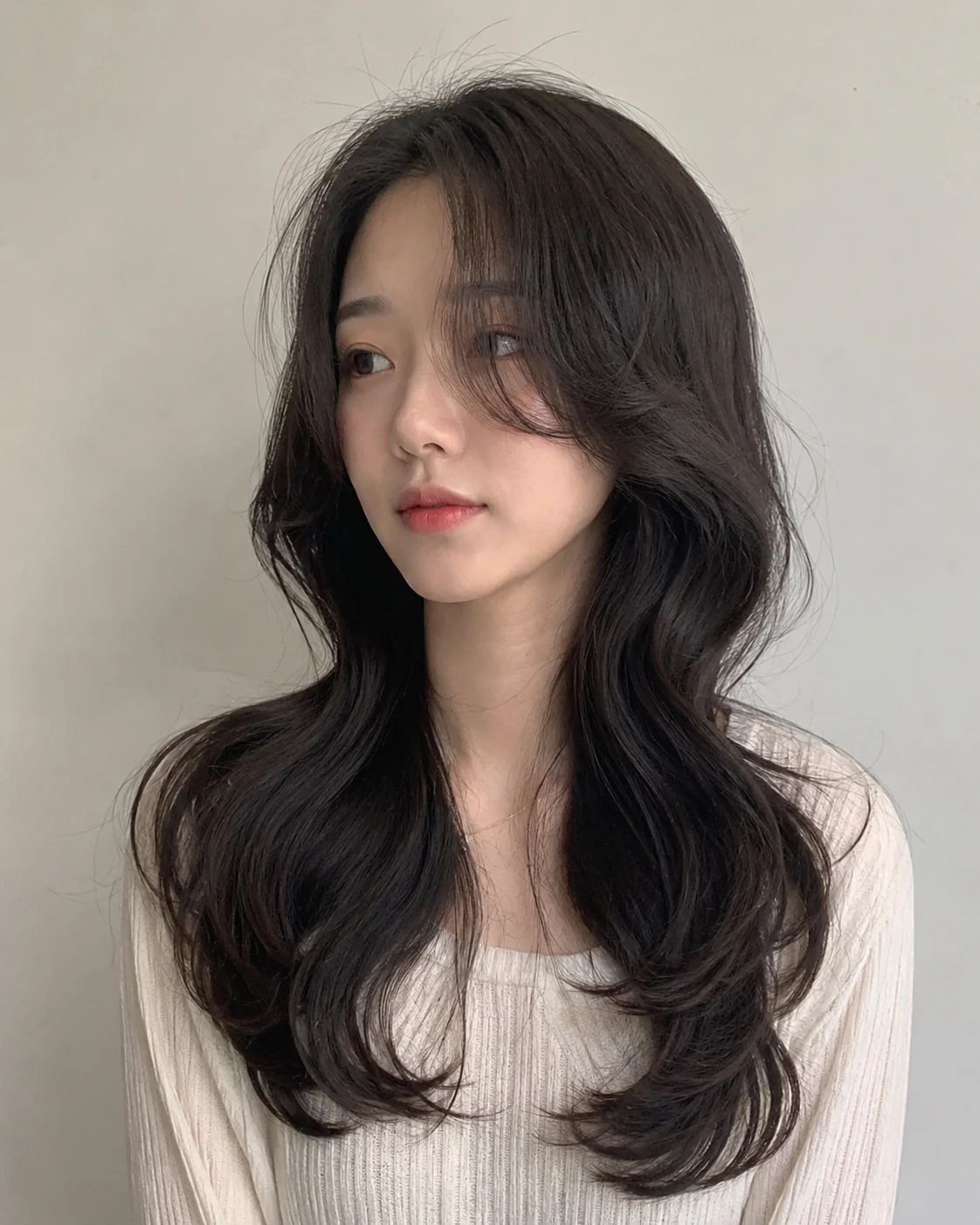
A digital perm machine wraps sections of hair around heated rods connected to a digital control unit. The stylist sets the exact temperature and timing for your hair type, which is why this method is often described as more “customized” than a traditional perm. The heat helps the new bond structure set more precisely, which is why digital perm curls tend to look smoother and more polished once they’re dry.
Cold Perm (Traditional Perm)
A cold perm uses rods on damp hair with chemical solution only — no heating tool involved. This is the technique most people picture when they think of an old-school perm. Because there’s no heat to help “lock” the shape, the curl pattern relies almost entirely on the chemical strength and the size of the rods used.
Curl Pattern: What You’ll Actually See Day to Day
Digital Perm Curls in Real Life
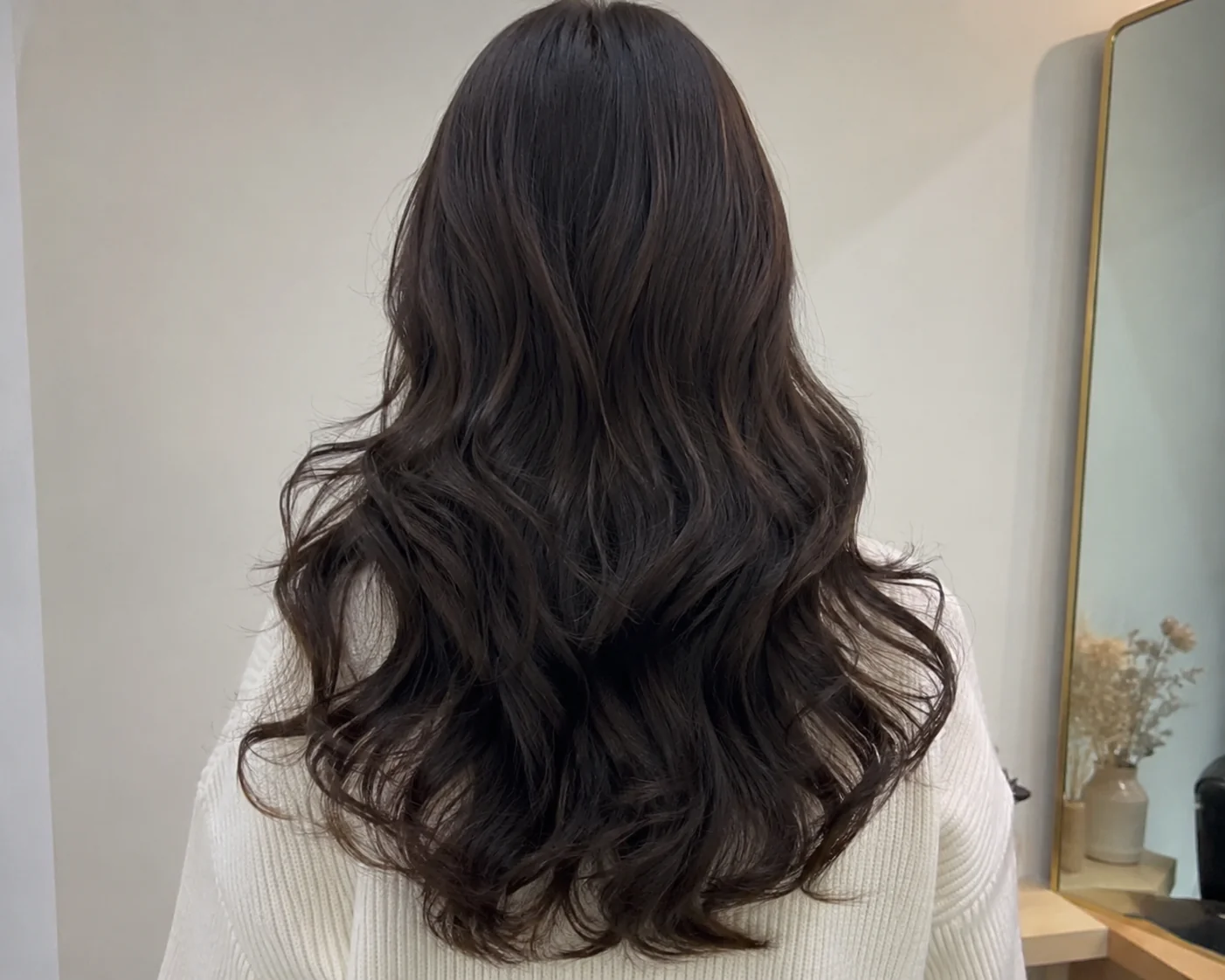
- Loose, smooth S-shaped waves
- Looks intentionally styled even with zero effort
- Flatters medium to long layered hair especially well
People who get digital perms often say something like, “My hair looks done even on days I do nothing to it.” That’s the entire appeal of this method.
Cold Perm Curls in Real Life
- Tighter, springier curls with noticeable root volume
- Can look full and bouncy right out of the shower
- Tends to look frizzy or undefined once fully air-dried without product
A very common reaction after a cold perm is: “It looked amazing wet at the salon sink, but once it dried at home, it needed a lot more work than I expected.” That’s not a bad perm — it’s just how cold perms behave.
Digital Perm vs Cold Perm: Side-by-Side Comparison
| Factor | Korean Digital Perm | Cold Perm |
| Heat used | Yes, controlled heat rods | No heat at all |
| Curl looks best | When hair is dry | When hair is wet |
| Curl type | Soft, loose waves | Tight, springy curls |
| Best for | Thick, coarse, long hair | Fine, thin, short hair |
| Average longevity | 6–10 months | 3–6 months |
| Daily styling needed | Minimal | Moderate to high |
| Typical cost | Higher | More budget-friendly |
| Damage risk | Heat-related, moderate | Chemical-only, lower if hair is healthy |
Which Perm Is Best for Your Hair Type?
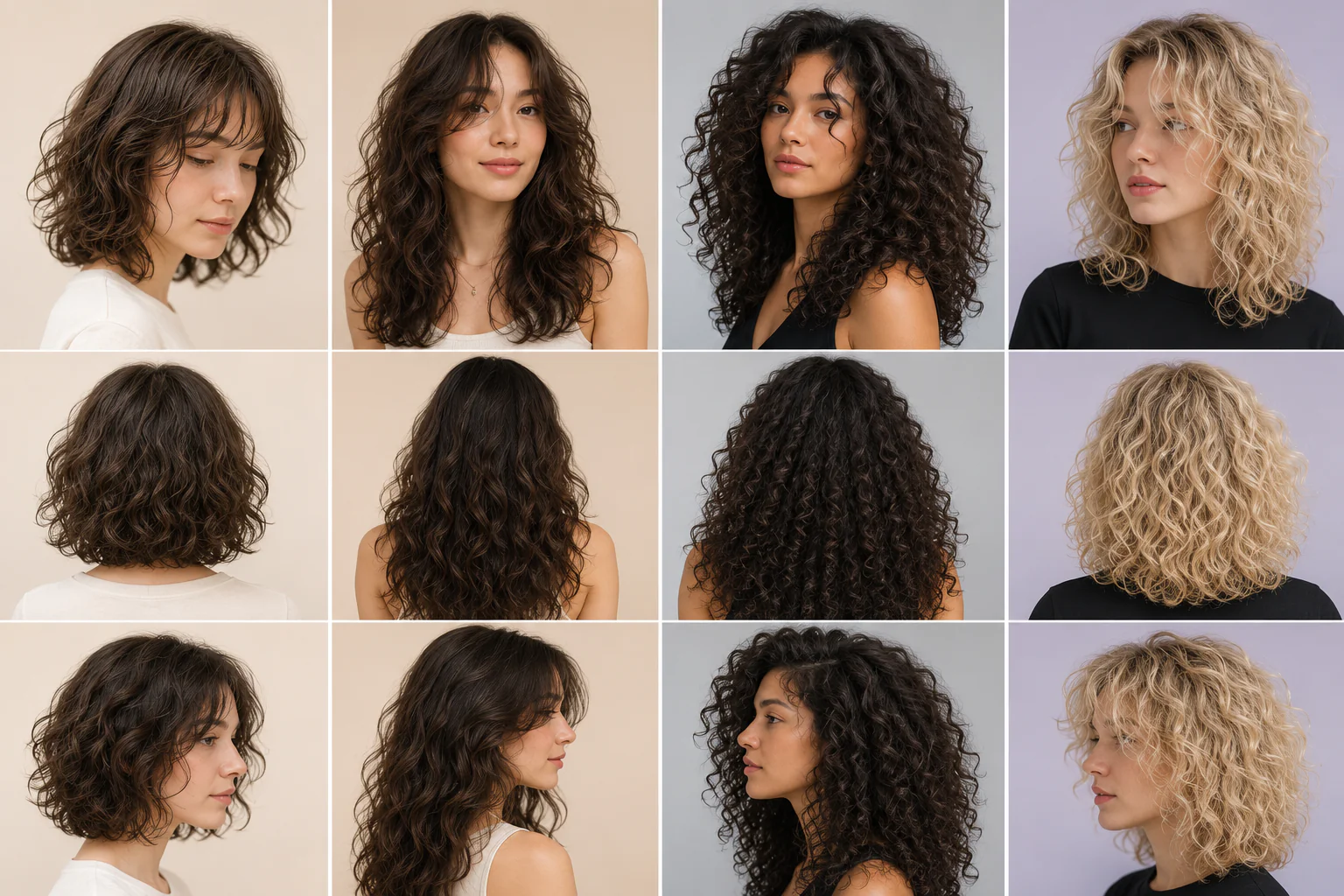
Fine or Thin Hair
Best pick: cold perm. The lack of heat means less stress on already-fragile strands, and the tighter curl pattern adds the kind of root volume that fine hair usually lacks. A digital perm’s heat can sometimes cause thin hair to fall flatter than expected once the initial curl relaxes.
Thick or Coarse Hair
Best pick: Korean digital perm. Thicker strands hold heat-set curls far more reliably, and the result is smoother, more controlled waves instead of a frizzy, overly voluminous shape.
Bleached or Chemically Treated Hair
Best pick: cold perm, but proceed carefully. Hair that’s already been lightened or color-treated is more porous and more vulnerable to heat damage, so most stylists will recommend skipping the heated rods. Even then, always ask for a strand test before committing.
Hair Length Matters More Than People Realize
- Short hair: cold perms grip closer to the root and create stronger texture
- Medium to long hair: digital perms create more balanced, weighted waves
- Layered hair: digital perms tend to enhance movement and layers beautifully
Pros and Cons, Without the Salon Sales Pitch
Korean Digital Perm — Pros
- Curls look polished when dry, with minimal daily styling
- Softer, more modern, more natural-looking finish
- Generally holds its shape longer as it grows out
Korean Digital Perm — Cons
- Heat adds a layer of damage risk on top of the chemicals
- Usually more expensive due to equipment and processing time
- Not the safest choice for already fragile or over-processed hair
Cold Perm — Pros
- Strong, defined curl with excellent root volume
- No heat exposure, which can be gentler in some cases
- Usually the more affordable option
Cold Perm — Cons
- Needs daily styling effort to stay defined
- Can look frizzy or shapeless once fully dry without product
- Curl pattern fades faster than a digital perm, typically within 3–6 months
What Nobody Tells You Until After the Appointment
The Digital Perm “Settling” Period
In the first week after a digital perm, a lot of clients panic and think the curl is too loose or barely there. Here’s what’s actually happening: digital perm curls typically settle and become more defined over the first two to three washes, as the hair’s natural oils rebalance and the shape relaxes into its final form. This delay is completely normal and not a sign of a failed perm.
The Cold Perm “Salon-Only Look”
Cold perms often look stunning the moment you leave the chair, then start to disappoint within a week or two. The honest reason is that cold perm definition depends heavily on consistent styling technique — scrunching with curl cream while the hair is still damp — rather than just the chemical treatment itself. Skip the routine, and the curl pattern loosens fast.
Digital Perm vs Cold Perm: A Stylist’s Honest Verdict
After talking to stylists who perform both services regularly, the pattern is consistent: digital perms get chosen for appearance and low-maintenance styling, while cold perms get chosen for structure, volume, and budget. Some salons do push the pricier digital perm more aggressively — not necessarily because it’s the better choice for every client, but because it’s the more profitable one. Knowing this upfront protects you from a recommendation that’s built around the salon’s margins rather than your hair.
Maintenance and Longevity: What to Actually Expect
How Long Each Perm Lasts
- Digital perm: roughly 6–10 months, fading gradually and naturally as it grows out
- Cold perm: roughly 3–6 months, with definition often dropping off faster if aftercare is inconsistent
Aftercare That Actually Works
For both perm types:
- Wait at least 48 hours before the first wash
- Switch to a sulfate-free shampoo and conditioner
- Deep condition once a week to replace lost moisture
Extra steps for digital perms:
- Limit additional heat styling tools afterward
- Air-dry or diffuse on low heat instead of brushing through
Extra steps for cold perms:
- Apply curl cream or mousse on damp hair, not dry
- Scrunch upward instead of brushing the curls out
Common Perm Regrets — and How to Avoid Them
“My hair feels dry and brittle now.”
This is almost always avoidable. Start a deep-conditioning routine two to three weeks before your appointment so your hair goes into the chemical process already strong and hydrated, not already compromised.
“It doesn’t look like the reference photo I brought in.”
Reference photos only translate accurately when the model’s hair type, density, and length are close to yours. A loose digital wave on thick Korean hair will not look identical on fine, thin Western hair, and a good stylist should tell you that honestly before you book.
“It only looked good at the salon.”
This is the single most preventable regret on this list. Before you leave the chair, ask your stylist to show you — hands-on — how to recreate the look at home with your own products, not just how they styled it under salon lighting.
Cost Comparison and Smart Salon Questions
As a general rule, digital perms cost more than cold perms because of the extra equipment, processing time, and skill required to operate the heated rod system correctly. Cold perms remain the more budget-friendly route, especially for shorter hair that needs fewer rods and less product.
Before you book either service, it’s worth asking your stylist three direct questions:
- Is my hair currently healthy enough for this chemical process?
- How much heat exposure will actually be involved?
- What products should I be using at home afterward, specifically for my hair type?
Final Verdict:
Choose a Korean digital perm if you want effortless, soft, modern waves and you’re not willing to spend much time styling in the morning.
Choose a cold perm if you want strong volume and defined texture, you don’t mind a daily styling routine, and you’d rather spend less at the salon.
There’s no universally “better” option in the Digital Perm vs Cold Perm: Which One Actually Suits You? debate — only the option that fits how you actually live and how much time you’re realistically willing to give your hair every morning. Choose based on your lifestyle, not just the inspiration photo, and you won’t be writing a regretful review three weeks later.
For more honest, expert hairstyle breakdowns like this one, explore more guides on cutehairstyles.org — where hair decisions actually make sense.
A Real Client Story: Two Sisters, Two Very Different Perms
One of the clearest ways to understand this comparison is through a real-world example. Two sisters with similar medium-length hair walked into the same salon on the same week — one chose a digital perm, the other chose a cold perm, both expecting roughly the same result because they assumed “a perm is a perm.”
The sister with the digital perm left with curls that looked almost flat at first. By the second wash, soft, beach-wave-like movement appeared, and she found herself skipping her curling iron entirely for the next eight months. The sister with the cold perm left with bouncy, tight ringlets that looked incredible in the mirror — until she air-dried at home without product the next morning and was surprised by how much frizz and shrinkage appeared. Once she added a leave-in cream and started scrunching damp hair instead of brushing it, the curls came back beautifully.
Neither sister got a “bad” perm. They simply got different chemistry that needed a different home routine — which is exactly the gap this guide is meant to close before you book your own appointment.
How to Choose Based on Your Morning Routine
If you’re still torn, the easiest way to decide isn’t by hair type alone — it’s by being honest about your mornings.
- If you genuinely have five minutes or less to get ready and want hair that looks finished on its own, lean toward a digital perm.
- If you enjoy the styling process, already use curl creams or diffusers regularly, and want maximum volume, a cold perm will reward that effort.
- If you travel often or live somewhere humid, ask your stylist specifically how each option holds up against frizz in your climate, since humidity affects cold perm curls more noticeably.
This single gut-check question — “how much time am I actually willing to spend on my hair tomorrow morning?” — resolves more perm regret than any comparison chart ever could.
Prepping Your Hair Before Either Perm
Whichever method you land on, the condition of your hair going into the appointment matters just as much as the technique itself. Stylists consistently point out that pre-damaged, over-bleached, or chronically dry hair struggles to hold any perm cleanly, regardless of heat or chemicals used.
- Get a trim two to three weeks before your appointment to remove split ends that won’t hold curl evenly
- Pause at-home bleaching, toning, or color services for at least two to three weeks prior
- Add a weekly protein or moisture treatment in the lead-up to strengthen the hair shaft
A little preparation goes a long way toward making either a digital perm or a cold perm look closer to your reference photo, and last closer to its full expected timeline.
Frequently Asked Questions
Here are the questions people most often search alongside digital perm vs cold perm: which one actually suits you?, answered straight.
What is the difference between a cold perm and a digital perm?
A cold perm uses chemicals only, with curls that look most defined when hair is wet and tend to loosen once dry unless styled. A digital perm combines chemicals with controlled heat, producing curls designed to look their best once hair is fully dry, which generally means less daily styling effort.
Is a Korean perm cold or digital?
When people say “Korean perm,” they’re almost always referring to a Korean digital perm, since Korean hairstyling trends are built around soft, natural-looking waves achieved with heat-based rod systems. That said, some salons also offer cold-perm variations of Korean root volume techniques, especially for shorter hair.
Does a digital perm or cold perm last longer?
Digital perms generally last longer, holding their shape for roughly 6–10 months and fading gradually and naturally. Cold perms typically last 3–6 months and can lose definition faster if styling isn’t kept consistent.
What is the difference between a perm and a Korean perm?
A standard perm usually creates tighter, more uniform curls through chemical processing alone. A Korean perm — typically a digital perm — is built around soft, natural-looking waves that enhance your hair’s existing flow rather than overpowering it with heavy, structured curl.
Cold perm vs digital perm for male hairstyles — which is better?
For men, cold perms are often favored for short hairstyles because the tighter curl pattern grips well close to the scalp and adds texture without needing daily styling tools. Digital perms work better on slightly longer men’s cuts where soft, loose waves are the goal, since heat-set curls hold a more relaxed shape on longer strands.
Cold perm vs digital perm: what does Reddit and real client experience say?
Across online hair communities, the most repeated theme is expectation management rather than one method being objectively “better.” People who research before booking tend to be far happier with cold perms, while people who go in expecting zero styling effort tend to prefer digital perms. The dissatisfaction usually traces back to not knowing the wet-versus-dry curl behavior explained earlier in this guide.
Cold perm vs digital perm vs airwave perm — how does airwave compare?
An airwave perm sits between the two, using a combination of cool airflow and rods rather than direct heat or pure chemical setting. It’s generally marketed as gentler than a digital perm while still offering more defined, longer-lasting curl than a basic cold perm, though it’s less widely available and tends to cost more.
Is a cold perm or digital perm more damaging to hair?
Neither is automatically “more damaging” — it depends on your starting hair condition. Digital perms add heat exposure on top of chemical processing, which can be riskier for already fragile, bleached, or over-processed hair. Cold perms skip the heat but still rely on strong chemical solutions, so healthy, well-conditioned hair generally tolerates either method reasonably well.
Cold perm vs Korean perm — are they the same thing?
Not quite. “Cold perm” refers specifically to the no-heat chemical method, while “Korean perm” is more of a style category that usually relies on digital (heated) technology to achieve soft, natural waves. A cold perm can technically be styled to look Korean-inspired, but it’s not the same underlying technique.
Cold perm vs hot perm — what’s the real distinction?
“Hot perm” and “digital perm” are generally the same thing, since digital perm machines use controlled heat to set the curl. The real distinction from a cold perm is simply whether heat is involved at all, which directly affects how the curls look wet versus dry, as covered earlier in this guide.
Digital perm vs Korean perm — is there a difference?
In most modern salons, these terms are used interchangeably, since a Korean perm almost always refers to a digital perm technique. The minor difference is that “Korean perm” emphasizes the styling outcome (soft, effortless waves) while “digital perm” refers to the technical method used to achieve it.
Cold perm vs “down perm” — what does that even mean?
“Down perm” isn’t a standard industry term, but it usually refers to a perm styled to create looser, downward-flowing waves rather than tight, bouncy curls. A cold perm can be customized this way using larger rods, though a digital perm is generally the more reliable method for achieving a relaxed, downward wave pattern.
Final Thoughts
At the end of the day, this isn’t really a question of which perm is technically “better” — it’s a question of which one matches how you actually want to live with your hair. A digital perm rewards people who want their hair to do the work for them. A cold perm rewards people who don’t mind a little daily effort in exchange for stronger volume and a more budget-friendly bill.
If you take one thing away from this Digital Perm vs Cold Perm: Which One Actually Suits You? breakdown, let it be this: go in with realistic expectations about wet-versus-dry curl behavior, prep your hair properly beforehand, and be upfront with your stylist about your real morning routine — not the one you wish you had. Get that part right, and either choice can leave you genuinely happy with the mirror for months.