
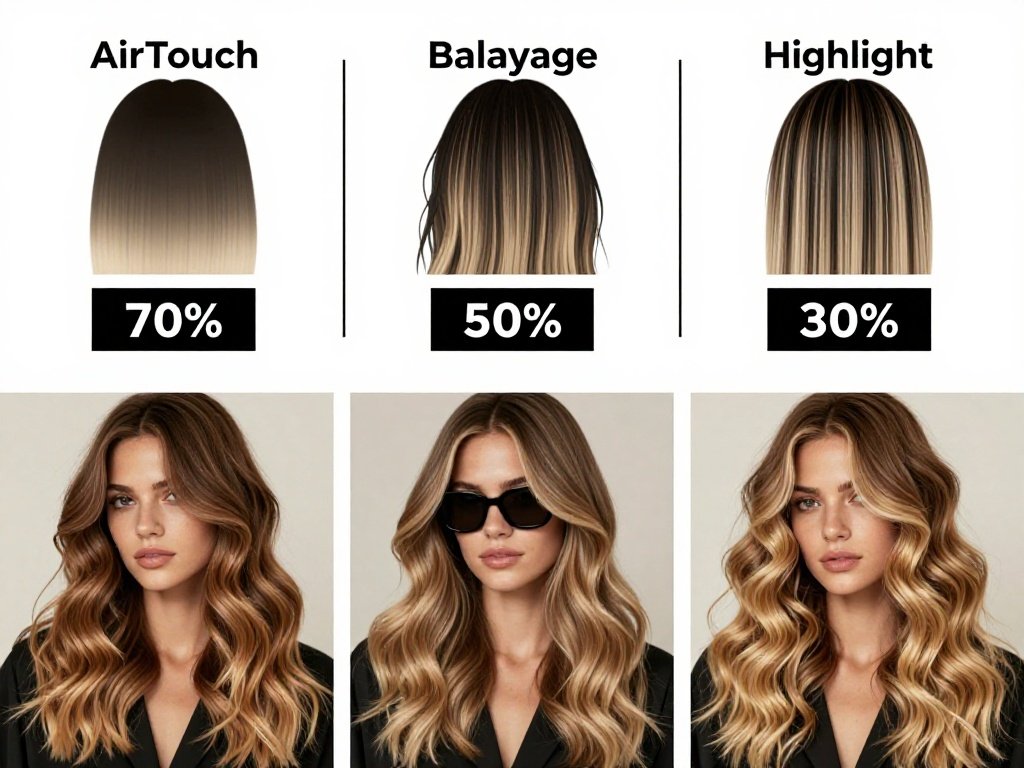
Let’s be honest, walking into a salon and saying “I want something different” is both exciting and terrifying. There are a million options, your stylist is looking at you like you hold the answer, and you’re suddenly blanking on every Pinterest board you’ve ever saved. Sound familiar?
Well, consider this your cheat sheet.
Whether you’re obsessed with that sun-kissed, “I’ve been on a yacht for three weeks” vibe, or you want bold face-framing highlights that literally light up your features, this guide covers everything. We’re talking balayage, ombré, money piece highlights, copper tones, platinum blonde, root smudge, color correction, and everything in between.
I’ve also been nerding out on what the top competitors and salon professionals are saying, so I’m weaving in those insights too. Let’s get into it.
First, Why Does Hair Color Matter So Much?
Here’s my hot take: your hair color is the first thing people notice. Before your outfit, your shoes, your bag it’s the halo around your face. The right color can make your skin glow, your eyes pop, and your confidence shoot through the roof.
Hair color is also one of the highest-value beauty investments you can make. A great balayage or a well-placed money piece can last months with minimal maintenance, and the ROI (in compliments, confidence, and sheer joy) is genuinely unmatched.
So let’s talk about what’s hot, what’s worth it, and what you need to know before you book that appointment.
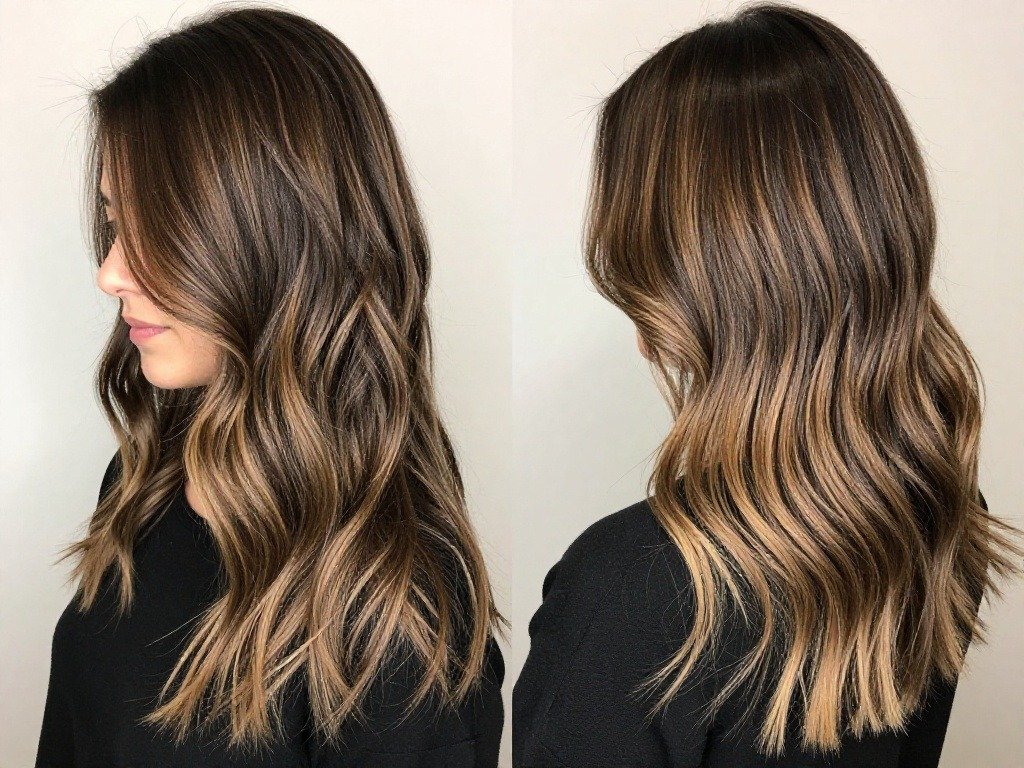
What is Balayage? (And Why Everyone’s Still Obsessed)
Balayage is a French word meaning “to sweep” or “to paint,” and that’s exactly what the technique involves: a colorist hand-paints highlights directly onto the hair, creating a soft, sun-kissed, natural-looking effect. Unlike traditional foil highlights (which give you very uniform, defined stripes), balayage creates a more diffused, dimensional result with gorgeous, softer lines between tones.
The reason balayage has refused to go out of style for over a decade? It’s incredibly low-maintenance. Because the color starts away from the root and fades naturally toward the ends, you don’t get that harsh grow-out line. You can go 3–6 months between appointments and still look like your highlights are fresh.
What makes balayage different from highlights?
Traditional highlights use foils to process color evenly and predictably. Balayage is painted freehand, which means the result is more customized. It mimics the way the sun would naturally lighten your hair, hitting the parts that catch the most light.
Current balayage trends I’m loving right now:
- Honey and caramel balayage warm, golden tones that suit almost every skin tone. Rich and luminous without being over-the-top.
- Hairline balayage super delicate, fine highlights starting right at the hairline for a barely-there glow.
- Dimensional brunette balayage instead of going blonde, brunettes are adding caramel, chestnut, and warm chocolate tones for incredible depth.
- Reverse balayage instead of lightening the ends, you add darker tones to lighter hair for a dramatic root-to-tip fade effect.
My personal take? Balayage is the ultimate “lazy girl’s luxury look.” You get a stunning result, and then you basically leave it alone and let it age beautifully.
Ombré vs. Balayage: What’s Actually the Difference?
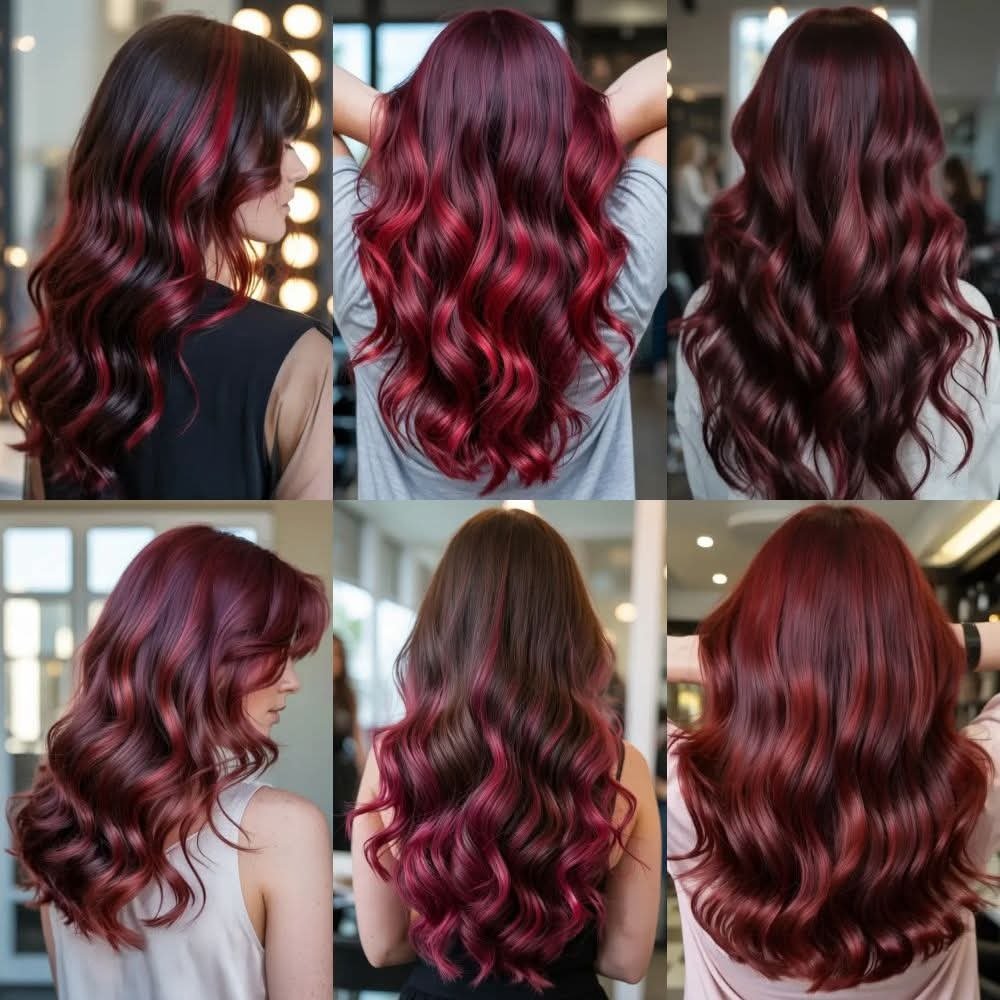
These two get confused ALL the time, and honestly, understandably so. Let me clear it up.
Ombré is a color effect that refers to a gradient that transitions from one color at the roots to another at the ends. Typically, this is dark roots melting into lighter ends, but it can go the other way too (that’s reverse ombré). The key characteristic of ombré is that the transition is more visible; you can actually see where one color ends and another begins.
Balayage, as we just covered, is a technique of the freehand painting method. You can create an ombré effect using the balayage technique, but not all balayage looks like an ombré.
Think of it this way: ombré is the destination (a gradient), and balayage is often the road you take to get there (but there are other roads too).
Sombré is the softer, more subtle cousin of ombré with the same gradient concept, but with less contrast between the shades. If ombré is bold, sombré is sophisticated and understated.
Which should you choose?
- Want a dramatic, noticeable contrast? Ombré.
- Want it soft and natural? Sombré or balayage.
- Want maximum customization and a lived-in look? Balayage.
If I’m being real, most of us are drawn to the result, not the technique. Tell your stylist what you want the final look to feel like beachy, dramatic, natural, glam and let them choose the best method.
The Money Piece: The One Trend You Absolutely Need to Know About
Okay, let’s talk about the money piece, because if you haven’t tried this yet, 2025 is calling your name.
A money piece is a strategic highlight placed specifically around the face at the front sections near your part line. It’s basically a halo of brightness that draws attention to your features, makes your skin look more radiant, and adds instant dimension without coloring your entire head.
Why is it called the “money piece”? Because it’s the highlight that makes the whole look the detail worth investing in.
Who made this famous?
The trend exploded largely thanks to Beyoncé, who wore a stunning money piece that became iconic. Jennifer Lopez, Bella Hadid, and Hailey Bieber have all been spotted with variations of this look, each customized to their coloring and vibe. More recently, Jennifer Aniston’s revival of bronde highlights with softly blended face-framing pieces sent the trend into another stratosphere.
The beauty of the money piece is its versatility. You can do it:
- Subtle and blended soft, sun-kissed pieces that melt naturally into your base color (great for first-timers or those who want low commitment).
- Bold and high-contrast crisp, bright pieces that make a real statement against dark hair.
- Tonal and warm honey or caramel pieces on brunette hair for a natural glow.
- Platinum and bright icy or golden blonde pieces on deeper bases for maximum drama.
What I love most about it: you get maximum impact for minimum investment. You’re not coloring your whole head. You’re targeting the most impactful area, the frame around your face and letting that do all the heavy lifting.
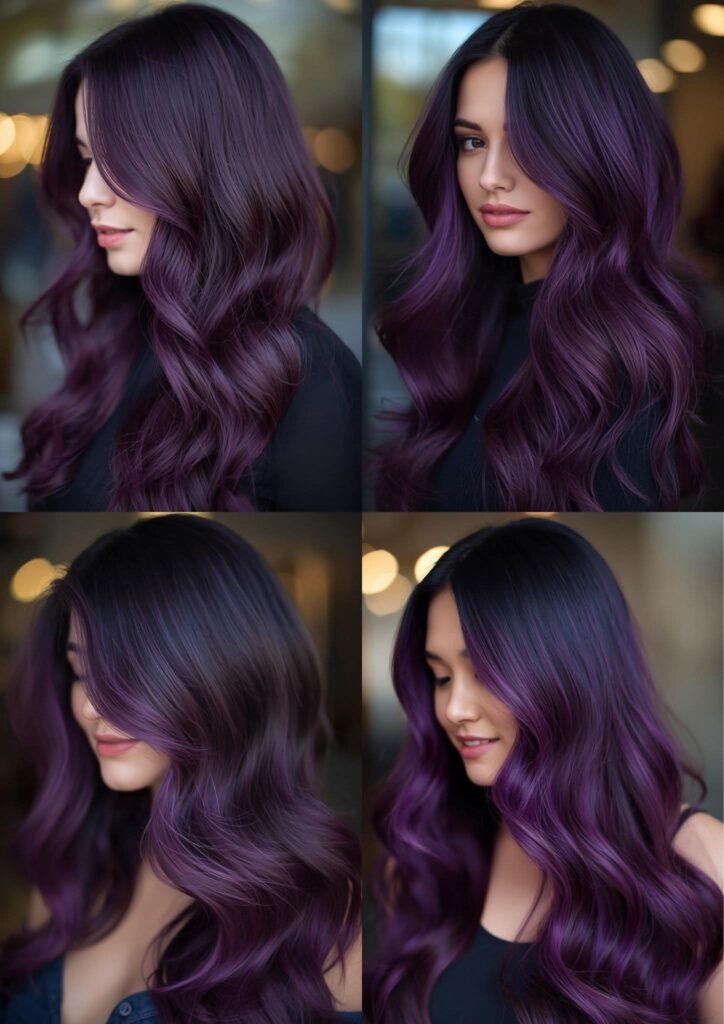
Pro tip from salon experts: the key to a perfect money piece is working in small, precise sections. If a colorist takes sections that are too large, you risk an uneven, “raccoon-ish” effect (think: early 2000s chunky highlights, but make it accidental). Small, carefully painted sections give you that seamlessly lit look.
Is the money piece still trending in 2026?
Absolutely yes. But it’s evolved. The trend has shifted away from very high-contrast, crisp money pieces toward softer, blended variations of sunlit balayage with subtle face-framing highlights that melt seamlessly into the rest of the hair. The goal now is that “my hair just does this naturally” effect, rather than an obvious placement.
Face-Framing Highlights: The Technique Behind the Magic
Face-framing highlights are essentially the broader category that the money piece lives within. While a money piece is very specifically placed at the very front sections near the part, face-framing highlights can extend slightly further back wrapping around the face to create a more dramatic, all-encompassing brightness.
This technique works for everyone literally every hair type, texture, length, and base color. The key is customization:
- For warmer skin tones: golden, honey, and caramel highlights create a gorgeous, glowing effect.
- For cooler skin tones: ashy, platinum, or cool blonde pieces complement without clashing.
- For olive skin tones: silver or cool blonde highlights can actually complement beautifully, creating a striking contrast.
- For darker skin tones: bold honey or golden pieces create warmth and luminosity that pops.
The best part about face-framing highlights? They’re one of the gentler coloring options. Because you’re only processing a small portion of the hair, there’s significantly less damage compared to full-head lightening.
Copper Hair: The Trend That Graduated to a Full Lifestyle
Okay, copper hair deserves its own moment because what was once a trendy seasonal color has officially become a permanent fixture in the color conversation.
Copper is no longer just a trend, it’s what professionals are now calling a distinct “shade family” alongside blonde and brunette. That’s how mainstream it’s become.
What’s happening with copper in 2025 and beyond:
The shades have gotten softer and more wearable. We’re moving away from intense, in-your-face copper and toward:
- Muted copper earthy, toned-down versions that feel lived-in from day one.
- Cowboy copper is a warm, gingery-meets-auburn shade that blends naturally with many hair types.
- Copper creamsicle is a lit-from-within hue that balances red and golden blonde tones, inspired by golden-hour light.
- Strawberry copper blonde multidimensional, red-gold hues that are vibrant but not overwhelming.
One major plus of the muted copper direction? The fade is gorgeous. Lighter muted auburns fade toward warm dark blonde; deeper auburns fade into caramels and toffees. Your hair basically gives you a free ombré as it grows out.
My honest take on copper: it’s one of the most universally flattering shade families. Something about warm, reddish tones just works on so many skin tones, and it photographs beautifully. If you’ve been on the fence, this is your sign.
Platinum Blonde: Still Iconic, But Make It Soft
Platinum blonde will never not be a power move. But 2025’s version is different from the icy, almost silver platinums we’ve seen before. The new platinum is warmer, softer, and dare I say cozy.
Think cashmere-soft, creamy blonde rather than steel. Subtle hints of warmth make it more wearable and more flattering on a wider range of skin tones.
If you’ve been intimidated by platinum in the past (it’s high-maintenance, requires significant lighting, and can be damaging if not done right), this softer take might be your entry point.
Key things to know before going platinum:
- This is a multi-session commitment for most people, especially if you’re starting from a dark base.
- Toning is everything. The right toner keeps platinum from going brassy or yellow.
- Purple shampoo becomes your best friend for home maintenance.
- Deep conditioning treatments are non-negotiable.
- Find a colorist who specializes in blonde work. This is not the time to cut corners.
Platinum + money piece combo: One of the most stunning looks right now is a darker base with platinum face-framing pieces. The contrast is dramatic, chic, and incredibly eye-catching.
Root Smudge: The Secret to Seamless, Low-Maintenance Color
If you’ve never heard of a root smudge (also called root melt or root shadow), this might be the game-changer you’ve been looking for.
A root smudge is a technique where a colorist applies a darker toner or color to the roots and blends it into the mid-lengths, softening the contrast between your natural root color and the lighter color below. The result is a seamless, natural-looking transition with no harsh line, no obvious grow-out.
Why it’s genius:
It literally extends the life of your color. Instead of rushing back to the salon every 6–8 weeks to touch up your roots, a good root smudge means you can comfortably go 10–14 weeks (or longer) without looking “grown out.” You just look intentional.
Root smudge is perfect for:
- Anyone with highlights or balayage who hates that obvious grow-out line.
- Brunettes who’ve gone lighter and want a more natural transition.
- People embracing their natural root color who want it to blend gracefully with colored ends.
Blurred roots are the 2025 evolution of the root smudge, an even softer technique that diffuses the regrowth line rather than just darkening it. Incredibly natural-looking and incredibly cool.
Color Correction: What It Is, When You Need It, and What to Expect
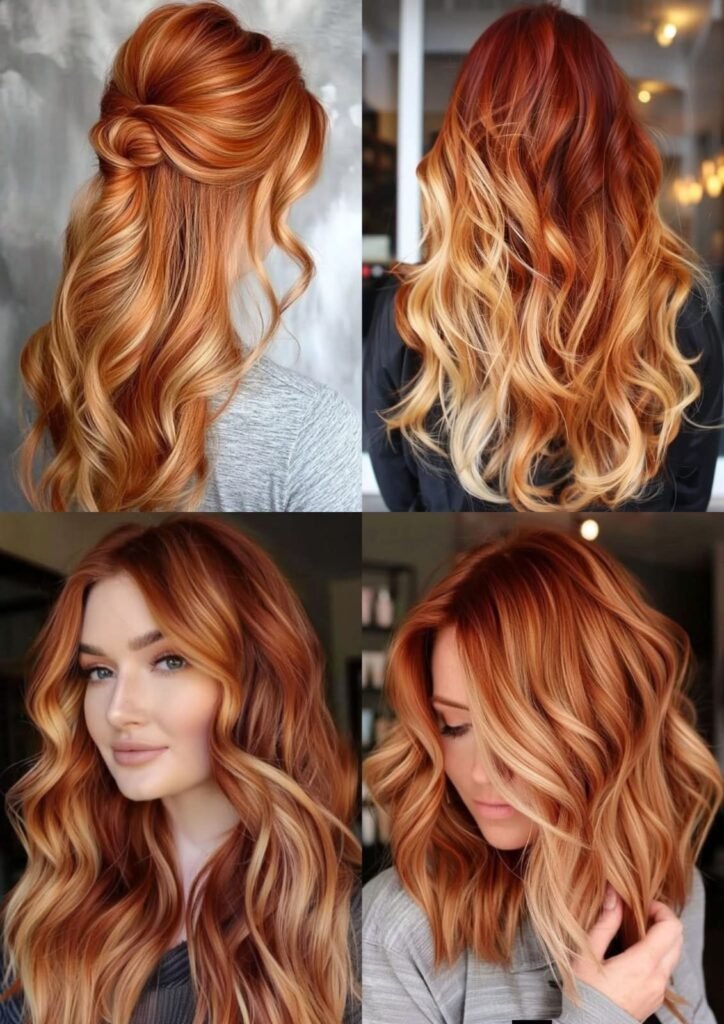
Let’s talk about the one that makes colorists take a deep breath before answering: color correction.
Color correction is the process of fixing hair color that has gone wrong whether from an at-home dye disaster, uneven bleaching, unwanted brassiness, or a previous salon appointment that just didn’t land right. It’s one of the most complex services in a salon, and it’s also one of the most important to understand.
Common scenarios that call for color correction:
- Unwanted brassiness or orange tones after attempting to go blonde (very common when bleaching isn’t done with proper toning).
- Uneven color from box dye, where some sections are darker or lighter than others.
- Color that’s too dark when you want something lighter and more vibrant.
- Green tones from chlorine exposure on color-treated hair.
- Fading that’s turned an even, solid color patchy and dull.
What to expect:
Color correction is rarely a one-appointment fix, especially for significant changes. It takes time, multiple sessions, and investment. Your colorist will assess the current state of your hair, figure out its underlying pigment, and develop a plan to get you where you want to be safely, without compromising the integrity of your hair.
My biggest advice: be upfront with your stylist about everything you’ve put on your hair. Everything. Box dye, henna, toning treatments, at-home bleach kits all of it affects how the hair will process professional color. There are no wrong answers here, just information your colorist needs to do their best work.
What Competitors Are Getting Right (And Where We Go Further)
I spent time analyzing some of the top resources covering these trends hair.com, Bangstyle, Perfect Locks, and others and here’s what I noticed:
What they do well:
- They explain individual techniques clearly (balayage vs. ombré, what a money piece is).
- They provide good “what to ask your stylist” language.
- They cover celebrity inspiration, which is useful for visualizing the trends.
What’s missing — and what I want to give you:Most competitor blogs cover these techniques in isolation. They’ll write a post about money pieces OR a post about balayage, but rarely do they show you how all these trends connect and build on each other.
Here’s the real insight: the hottest hair looks right now aren’t just one technique, they’re a combination.
The most stunning, editorial-worthy hair colors happening in salons today combine multiple of the techniques we’ve talked about. Think:
- Balayage foundation + money piece overlay the balayage gives your whole head dimension; the money piece super-charges the area around your face.
- Root smudge + ombré ends you get the natural-looking root while still having that gorgeous gradient down to the tips.
- Copper base + face-framing platinum pieces the contrast is unexpected and genuinely showstopping.
- Platinum base + root shadow you get the drama of platinum while keeping maintenance real and manageable.
No competitor resource I found was connecting these dots in a way that actually helps you walk into a salon and have an intelligent conversation with your colorist.
So here’s what I want you to take away from this blog: think of your hair color as a system, not a single choice. The best results come from intentionally layering techniques.
My Personal Picks: What I’d Get Right Now
Since you asked (and even if you didn’t, I’m sharing anyway ) here are the looks I’d personally be booking if I walked into a salon today:
For a natural, low-maintenance look: Soft brunette balayage with a warm honey money piece. Very “I woke up like this,” incredibly chic, and basically grows out perfectly. Zero stress.
For a statement moment: Deep, chocolate brown base with bold platinum face-framing highlights and a root smudge that blends the two. Dramatic but intentional. Very editorial.
For the copper obsessives: Muted, earthy copper all over with slightly brighter, golden-tinted pieces around the face. It’s the warmth and richness of copper but refined and modern.
For the platinum-curious: A soft, cashmere blonde with a slightly darker root shadow so you get the lightness without committing to full-bleach maintenance. The root shadow is doing so much work here.
How to Talk to Your Stylist (Without Getting a Completely Different Result)
This is genuinely one of the most important parts of this whole article, because the gap between what you want and what you get often comes down to communication.
Bring photos. Always bring at least 3–5 reference images. Not just of the color, but of the technique and the finish. A warm balayage in soft natural lighting looks very different from a warm balayage in a studio shoot, and you want to make sure you and your stylist are looking at the same expectation.
Be honest about your starting point. Tell your colorist exactly what’s on your hair, every product, every previous color, every box dye. This isn’t a confessional; it’s information they genuinely need.
Ask about maintenance upfront. Before you commit to platinum or heavy lightening, ask: “What does maintaining this look like over the next 6 months?” You deserve to know what you’re signing up for in terms of time and budget.
Use the language from this article. Terms like “money piece,” “root smudge,” “balayage,” and “color correction” are industry-standard. Using them signals that you’ve done your research and helps your colorist understand exactly what you’re after.
Trust the process (and your colorist). Color corrections take time. Balayage fades. Root smudges evolve. The best results are often partnerships built over multiple appointments, not a single dramatic transformation.
Quick Reference: Hair Color Glossary
Just so you’ve got everything in one place:
Balayage freehand painting technique that creates soft, blended, sun-kissed highlights.
Ombré a gradient color effect transitioning from dark roots to lighter ends (or vice versa).
Sombré is a softer, more subtle version of ombré with less contrast between shades.
Money Piece strategic highlights placed at the very front sections around the face to brighten and frame features.
Face-Framing Highlights a broader technique of placing highlights around the face; the money piece is a specific version of this.
Root Smudge / Root Melt / Root Shadow a technique that blends the root color into colored hair for a seamless, natural transition.
Color Correction the process of fixing or altering hair color that has gone wrong or needs significant adjustment.
Copper Hair warm, red-toned hair that can range from muted auburn to bold copper; currently defined as its own color family alongside blonde and brunette.
Platinum Blonde ultra-light, high-lift blonde; the 2025 version leans warmer and softer than previous icy iterations.
Cowboy Copper is a warm, earthy, gingery copper shade that feels natural and lived-in.
Final Thoughts: Your Hair, Your Rules
Here’s the thing about hair color trends: they’re inspiration, not instructions. The most beautiful hair I’ve ever seen isn’t necessarily the most on-trend; it’s the most intentional. It’s hair that was chosen for that person, for their lifestyle, their features, their vibe.
Use these trends as a starting point. Let them excite you. Then customize them and make them yours.
Whether you’re getting your first money piece, diving into copper for the first time, or finally booking that color correction you’ve been putting off, you deserve to love your hair. It’s one of the most personal, expressive things about you.