
Table of Contents
Let’s be honest, the shampoo aisle is overwhelming. There are hundreds of bottles screaming about “revolutionary formulas” and “salon-worthy results,” and honestly, most of them are just pretty packaging with average ingredients. If you’ve been standing in that aisle for 10 minutes trying to figure out what you actually need, this guide was written for you.
Because here’s the truth: the right shampoo can genuinely change your hair not overnight, but over time, with consistent use. And the wrong one? It can silently damage your scalp, strip your hair of moisture, and even contribute to thinning. So yes, it matters more than you think.
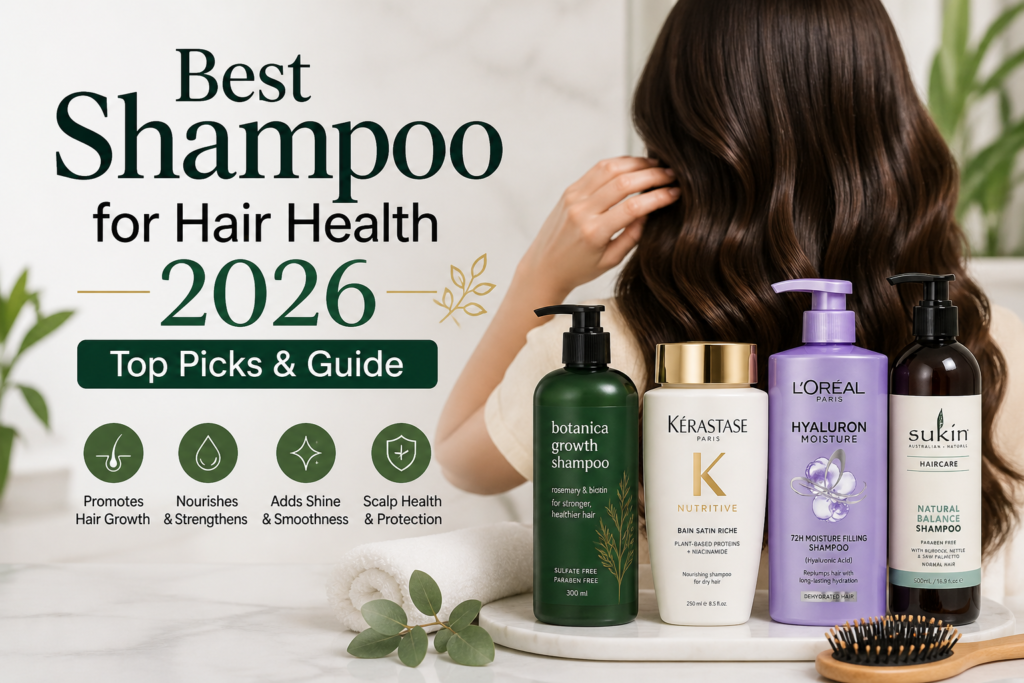
In this guide, we’re breaking down the best shampoos for hair health in 2026, the ones that are actually worth your money, backed by dermatologists, and tailored to real hair concerns. Whether you’re battling hair loss, a flaky scalp, dryness, or just want healthier, stronger hair in general, you’ll find what you’re looking for here.
Why Your Shampoo Choice Matters More Than You Think
Most people treat shampoo like a basic hygiene product: lather, rinse, repeat. But your scalp is skin. And just like the skin on your face, it needs the right balance of cleansing, hydration, and protection.
When you use the wrong shampoo, say, one loaded with harsh sulfates or synthetic fragrances you can disrupt your scalp’s natural pH, strip away protective oils, and create an environment where dandruff, inflammation, and even hair loss can thrive.
On the flip side, a well-formulated shampoo does three things beautifully: it cleanses without stripping, nourishes the scalp, and supports the hair growth cycle. That’s the bar we’re working with in this guide.
And with 2026 bringing a wave of next-level ingredients and cleaner formulations, there’s never been a better time to upgrade your shower routine.
What to Look for in a Healthy Shampoo (and What to Avoid)
Before we get into specific product recommendations, let’s talk about ingredients because reading a label is the single most powerful thing you can do for your hair health.
Ingredients Worth Looking For
Often called the “hair vitamin,” biotin supports keratin production and is linked to stronger, thicker strands. Many dermatologists recommend biotin-infused shampoos for people experiencing thinning or weak hair.
Ketoconazole This antifungal ingredient is one of the most dermatologist-recommended activities for scalp health. It reduces yeast growth (especially Malassezia, the fungus behind dandruff) and has also been shown to support hair density.
Caffeine Yep, your hair loves coffee too. Research has shown that caffeine can stimulate hair follicles, extend the growth phase of the hair cycle, and even rival the effectiveness of minoxidil in some studies. Plantur 39’s phyto-caffeine shampoo is a go-to recommendation in this category.
Zinc Pyrithione A classic anti-dandruff agent that also soothes scalp inflammation. Great for people with oily, flaky, or irritated scalps.
Rosemary Oil A 2024-updated study confirmed what herbalists have known for centuries: rosemary oil can be as effective as 2% minoxidil for hair growth. It improves circulation to the scalp and reduces DHT, the hormone linked to pattern baldness.
Salicylic Acid A gentle exfoliant that dissolves buildup on the scalp. Great for people with dry scalp, psoriasis, or seborrheic dermatitis.
Amino Acids and Keratin These proteins reinforce the hair shaft, reduce breakage, and improve overall hair texture. Look for hydrolyzed keratin or silk amino acids.
Argan Oil and Glycerin Excellent humectants and moisturizers for dry or damaged hair. They attract and retain moisture without weighing hair down.
Ingredients Worth Avoiding
Sodium Lauryl Sulfate (SLS) The sudsy culprit behind a lot of scalp irritation. It’s an aggressive cleanser that strips natural oils. Sulfate-free is the way to go for most hair types.
Parabens Preservatives that have been linked to hormone disruption. Many cleaner brands have eliminated them entirely.
Synthetic Fragrances “Fragrance” on a label can mean hundreds of undisclosed chemicals. For sensitive scalps, this is one of the first things to eliminate.
Silicones Not all silicones are evil, but the non-water-soluble kind can build up on your scalp over time, blocking follicles and reducing hair health.
Formaldehyde Releasers These are preservatives that slowly release formaldehyde, a known irritant and carcinogen. Watch out for ingredients like DMDM Hydantoin and Quaternium-15.
The Best Shampoos for Hair Health in 2026
Here’s our curated list organized by hair concern so you can find exactly what your hair needs.
Best Overall for Hair Health:
If there’s one shampoo that dermatologists keep coming back to, it’s Nizoral. Formulated with 1% ketoconazole, it’s clinically proven to control dandruff, reduce scalp inflammation, and create a healthy scalp environment that supports hair growth.
What makes it special is that ketoconazole doesn’t just fight fungus, it also has mild anti-androgenic properties, meaning it can help block DHT on the scalp and potentially slow hair loss. That’s a lot of work for one bottle.
It’s suitable for all hair types, including color-treated and chemically processed hair, and it works fast. Many users see a difference in scalp health within just two to four weeks.
Best for: Dandruff, seborrheic dermatitis, hair thinning, oily scalp
Key ingredient: 1% Ketoconazole
Use frequency: 2–3 times per week
Best for Hair Growth and Thickness:
Plantur 39 was formulated specifically for women over 40 experiencing hormonal hair thinning (hello, perimenopause), but honestly, it works beautifully for anyone dealing with fine or thinning hair.
The star ingredient here is phyto-caffeine, which penetrates the hair follicle during the wash process and stimulates cellular activity in the hair root. Research published in leading dermatology journals has confirmed caffeine’s ability to extend the anagen (growth) phase of hair and reduce the impact of DHT on follicles.
It also contains zinc and white tea extract, both of which help protect the scalp and support follicle health. The formula is lightweight, so it won’t weigh down fine hair which is a common complaint with “thickening” shampoos.
Best for: Thinning hair, fine hair, hair growth, menopausal hair changes
Key ingredient: Phyto-caffeine, zinc
Use frequency: Daily or as needed
Best for Dry Scalp:
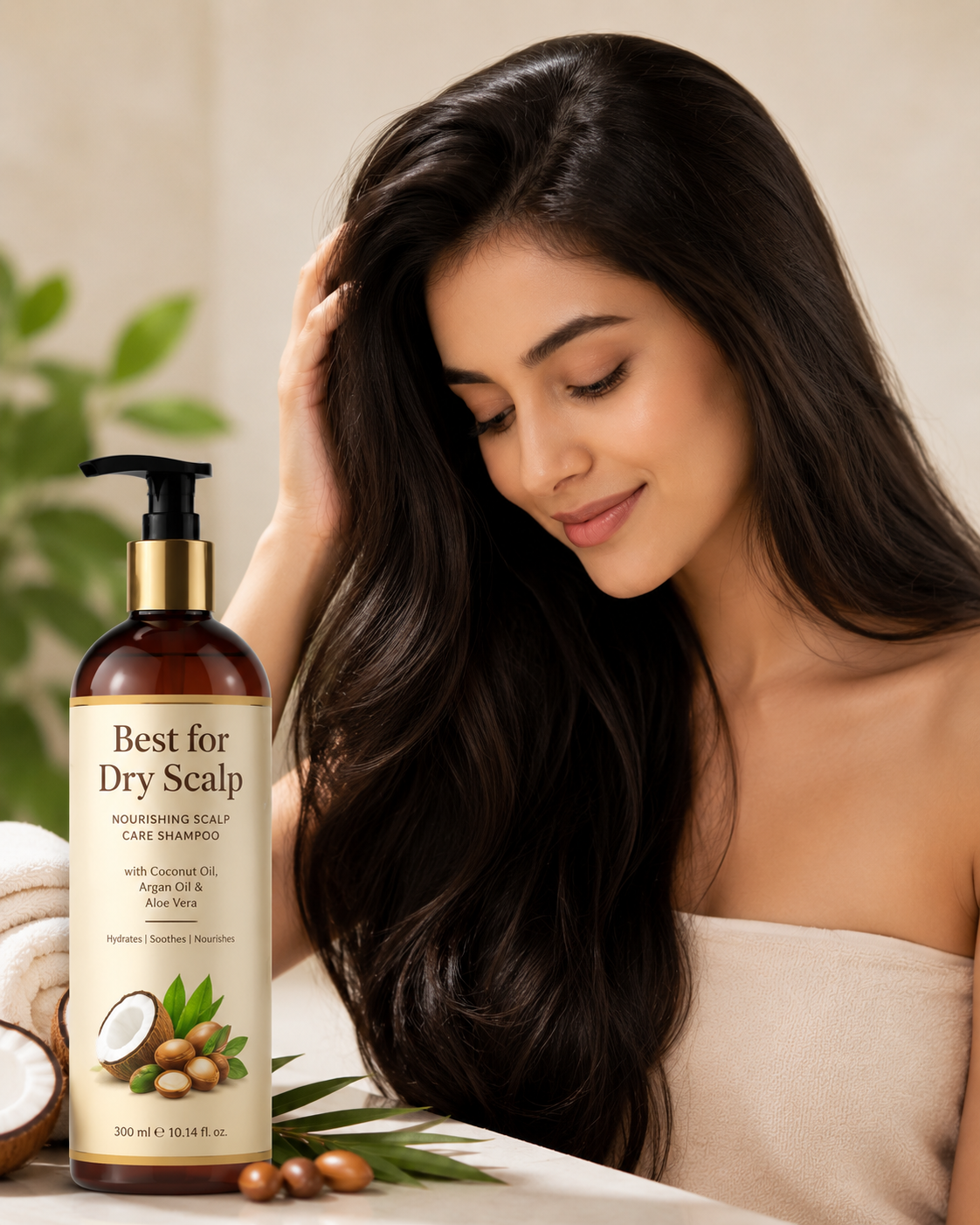
If your scalp tends to be sensitive, red, itchy, or dry, Vanicream’s Free and Clear Shampoo is one of the gentlest and most effective options on the market. Board-certified dermatologists consistently recommend it for people with reactive scalps because it’s completely free of sulfates, parabens, dyes, fragrances, and other common irritants.
It uses a mild cleanser system that removes product buildup and excess oil without stripping the scalp’s protective barrier. Panthenol (vitamin B5) and glycerin help restore moisture and reduce flaking naturally.
It’s also safe for people with eczema, psoriasis, or contact dermatitis and because it’s so clean, it’s often recommended for use after scalp treatments or procedures.
Best for: Dry scalp, sensitive skin, eczema, psoriasis, post-treatment care
Key ingredients: Glycerin, panthenol
Use frequency: Daily or as needed
Natural Shampoo:
For those who want an effective natural formula without a medicine-cabinet vibe, SheaMoisture’s cult-favorite shampoo delivers. It’s centered around Jamaican Black Castor Oil (JBCO), which has been used for decades in Caribbean hair care traditions to strengthen the hair shaft, stimulate the scalp, and reduce breakage.
It also contains peppermint oil for circulation and apple cider vinegar to gently balance scalp pH. The formula is sulfate-free and made without parabens or mineral oil.
It works particularly well for natural, coily, or chemically treated hair, the kind that tends to be drier and more breakage-prone. But it’s genuinely a great all-around option for anyone seeking a more natural formulation.
Best for: Natural hair, damaged hair, breakage-prone hair, chemical-free care
Key ingredients: Jamaican Black Castor Oil, peppermint, apple cider vinegar
Use frequency: Weekly or bi-weekly
Best for Hair Loss in Women:
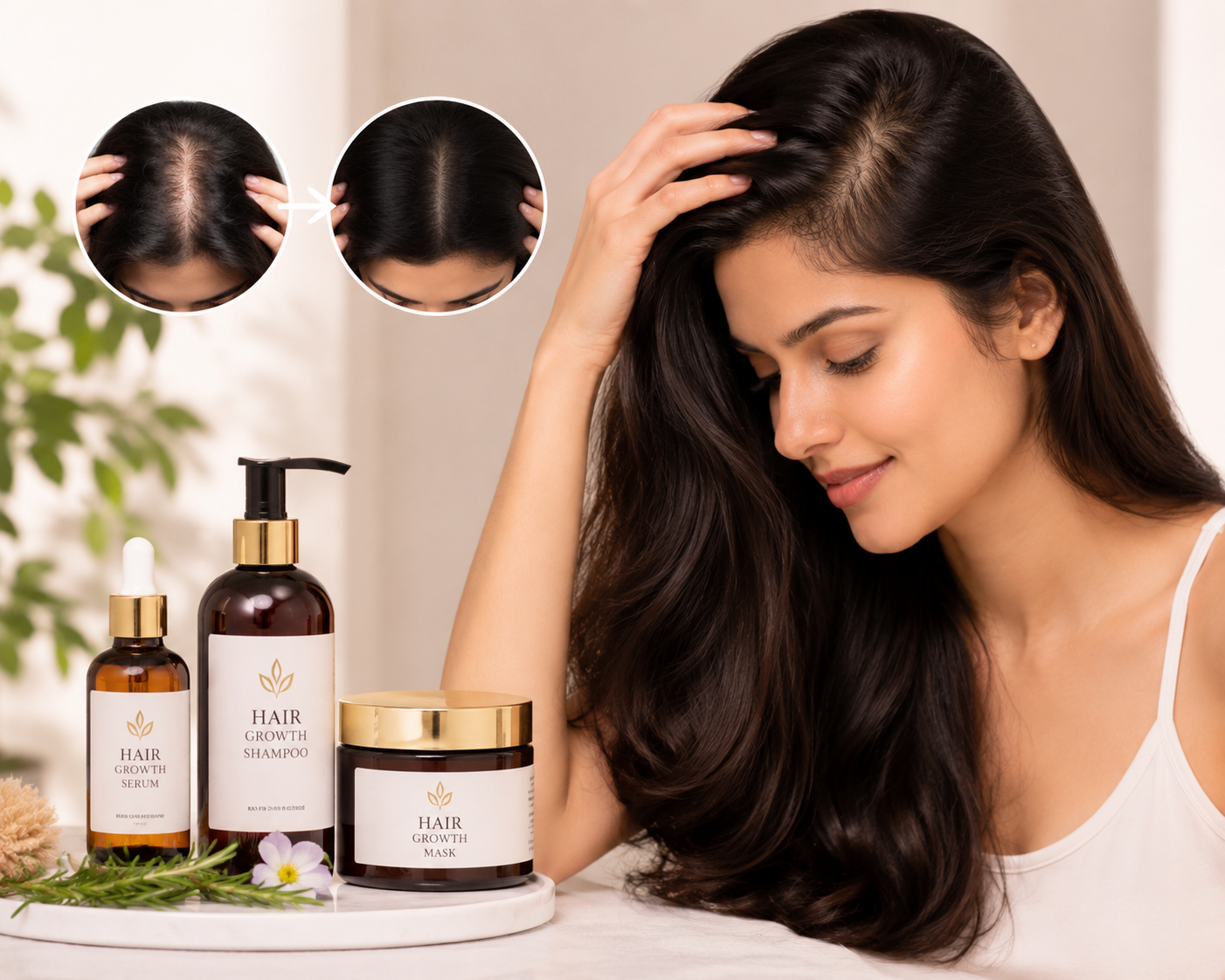
Revita is one of the most science-backed shampoos for hair loss, combining a powerful trifecta of caffeine, biotin, and peptides. Together, these ingredients reinforce the hair shaft, encourage healthy follicle activity, and reduce the hormonal triggers behind female pattern hair loss.
Unlike some hair loss shampoos that feel clinical or stripping, Revita has a pleasant lather and leaves hair feeling clean and manageable. It’s free of parabens and comes in a formula designed for both men and women experiencing diffuse thinning.
Dermatologists often recommend it as a complementary treatment alongside topical minoxidil or other hair loss therapies.
Best for: Female hair loss, diffuse thinning, breakage, post-partum shedding
Key ingredients: Caffeine, biotin, peptides, ketoconazole
Use frequency: Daily or 4–5 times per week
Best for Folliculitis:
Folliculitis, an inflammation of the hair follicles is more common than most people realize, and it can cause significant discomfort, itching, and even hair loss if left untreated. For this specific concern, dermatologists frequently recommend shampoos with salicylic acid as the active ingredient.
Neutrogena’s T/Sal contains 3% salicylic acid, which gently exfoliates the scalp, dissolves buildup, and removes dead skin cells that can clog and inflame follicles. It’s also effective for psoriasis, seborrheic dermatitis, and general scalp buildup.
It’s a medicated shampoo, so it doesn’t smell like a luxury product but it works. And for a scalp condition as persistent as folliculitis, “it works” is exactly what you need.
Best for: Folliculitis, scalp psoriasis, seborrheic dermatitis, buildup
Key ingredient: 3% Salicylic Acid
Use frequency: 2–3 times per week, or as directed
Best Drugstore Shampoo for Hair Health:
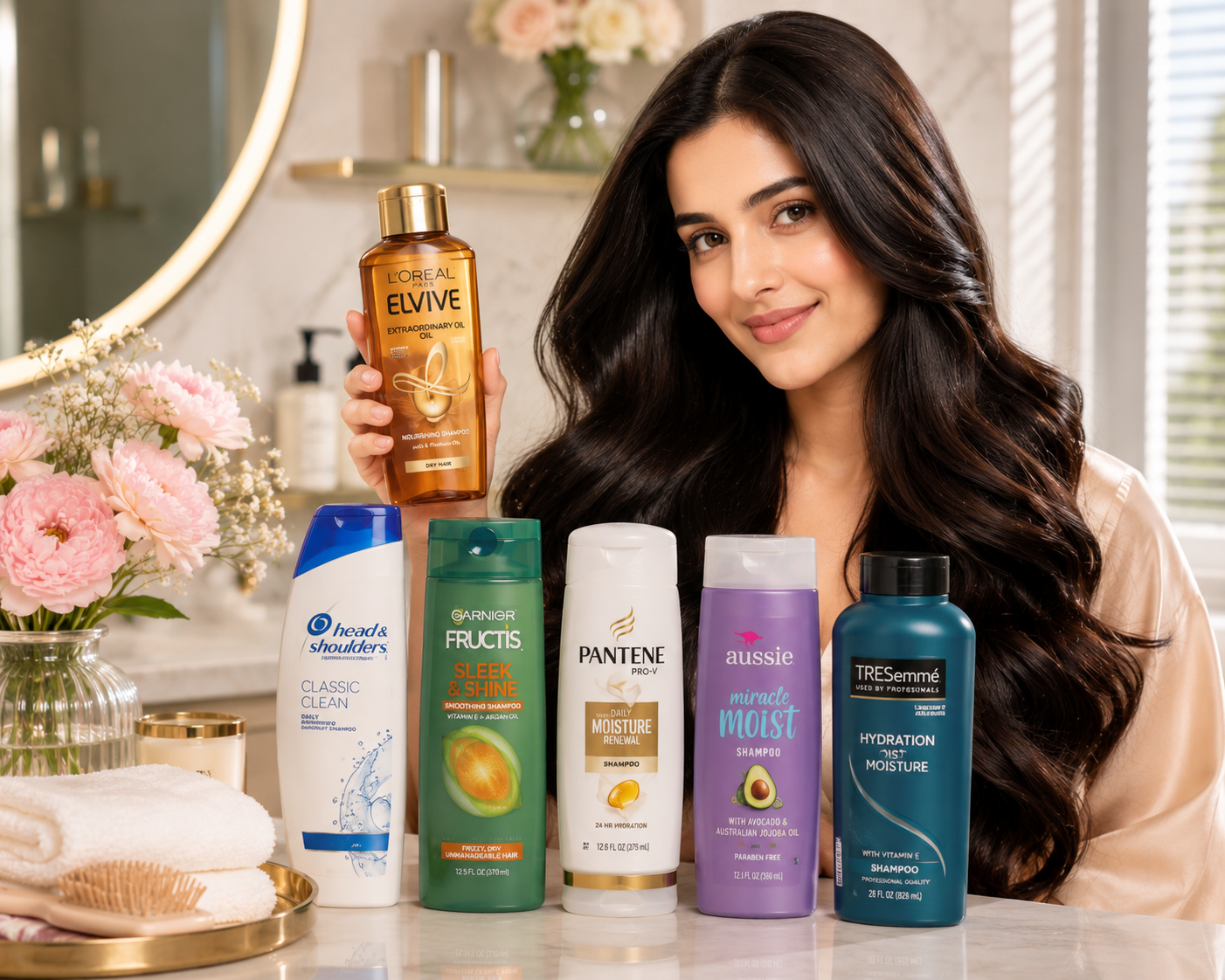
Sometimes the best option is the affordable one, and L’Oreal’s EverPure Bond Repair line proves that drugstore doesn’t mean compromise. This shampoo is sulfate-free and formulated with citric acid and a bond-repair complex that literally works at the molecular level to mend broken hair bonds, the kind caused by heat styling, bleaching, and chemical treatments.
It’s lightweight, smells great, and works for most hair types. If you have color-treated hair, it’s especially worth trying because it extends color vibrancy while repairing damage from within.
Best for: Damaged hair, color-treated hair, heat-styled hair, budget shoppers
Key ingredients: Bond repair complex, citric acid
Use frequency: As needed
Best Shampoo for Menopausal Hair Changes:
Menopause brings a significant hormonal shift that often leads to hair thinning, increased shedding, and scalp sensitivity. Nioxin was specifically designed to address these kinds of hormonally-driven changes, using a multi-step system approach to hair care.
The shampoo component uses a combination of niacinamide, antioxidants, and light botanicals to cleanse the scalp while improving microcirculation to hair follicles. Over time, users typically see less shedding and more visible density.
It’s not a magic fix, nothing truly is but dermatologists consistently recommend it as part of a comprehensive approach to managing menopausal hair thinning, especially when used consistently over 3 to 6 months.
Best for: Menopausal hair loss, hormonal thinning, reduced hair density
Key ingredients: Niacinamide, antioxidants, light protein complex
Use frequency: Daily or as needed
How to Wash Your Hair the Right Way
Even the best shampoo won’t save you if you’re washing your hair wrong. Here are a few habits that make a real difference:
Don’t overwash. For most hair types, 2–4 times per week is plenty. Daily washing strips natural oils and can trigger overproduction of sebum.
Use lukewarm water. Hot water opens the cuticle too aggressively, leading to frizz and moisture loss. Rinse with cool water to seal the cuticle.
Massage your scalp. Use your fingertips (not your nails) in circular motions. This increases blood circulation to the follicles and helps work the shampoo into your roots, not just the lengths.
Let the shampoo sit. For medicated shampoos especially, leave the formula on your scalp for 2–5 minutes before rinsing to allow active ingredients to work.
Always follow with a conditioner. Shampoo cleanses; conditioner seals. Skip it and you leave your hair cuticles open and vulnerable.
Building a Hair Health Routine Beyond Shampoo
A great shampoo is the foundation, but a truly healthy hair routine includes a few more steps:
Weekly scalp massage with Castor oil, rosemary oil, or jojoba oil massaged into the scalp once a week can significantly improve follicle stimulation and moisture balance.
Protein treatments If your hair feels mushy, limp, or overly stretchy when wet, it likely lacks protein. Monthly protein treatments can restore strength and elasticity.
Balanced diet Hair is made of keratin, which requires adequate protein, iron, zinc, biotin, and vitamin D to thrive. No shampoo can compensate for nutritional deficiencies.
Heat protection If you use heat tools, a thermal protectant spray is non-negotiable. Heat damage at the cuticle level is cumulative and hard to reverse.
Silk or satin pillowcase This one small swap reduces friction while you sleep, which means less breakage over time. Simple but genuinely effective.
After analyzing leading hair care blogs and review sites, a few patterns emerge:
Sites like Health.com and NYT Wirecutter do thorough product testing and lean heavily on expert quotes which is great for credibility. But they sometimes miss the “why” behind ingredients, leaving readers to trust the recommendation without truly understanding it.
Byrdie and Organically Becca do a better job at segmenting by hair type, which is helpful but often lean toward premium-priced products without enough drugstore alternatives.
The Good Trade and The New Knew are excellent for readers prioritizing natural and organic formulations, but may not address medically-driven concerns like folliculitis or menopausal hair thinning as thoroughly.
What this guide tries to do is bridge those gaps: combine dermatologist-backed science with real-world usability, cover both natural and clinical options, and speak to a wide range of concerns without making you feel like you need a PhD to understand it.
Frequently Asked Questions (FAQs)
Which shampoo is best and healthy for hair overall?
The “best” shampoo depends on your hair type and concerns, but a broadly healthy option is one that’s sulfate-free, paraben-free, and suited to your scalp condition. Vanicream Free and Clear is an excellent gentle choice for most people, while Nizoral is ideal if scalp issues are your primary concern.
What brand of shampoo is the healthiest?
Brands consistently recommended by dermatologists include Vanicream (for sensitive scalps), Nizoral (for scalp conditions and dandruff), SheaMoisture (for natural and dry hair types), and Plantur 39 (for thinning hair). The “healthiest” brand is ultimately the one formulated without harsh chemicals and aligned with your specific hair needs.
What’s the best shampoo for folliculitis?
For folliculitis, dermatologists typically recommend medicated shampoos containing salicylic acid or zinc pyrithione. Neutrogena T/Sal (3% salicylic acid) is one of the top recommendations for reducing scalp inflammation, clearing follicle blockages, and preventing recurrence. In severe cases, a ketoconazole shampoo like Nizoral may also be advised.
What is the best shampoo to use during menopause?
Hormonal changes during menopause often cause hair thinning, dryness, and increased shedding. Nioxin’s Scalp + Hair System is a dermatologist-recommended choice for this stage, as it addresses scalp microcirculation and follicle density. Plantur 39’s phyto-caffeine shampoo was also specifically designed with menopausal hair in mind and is widely praised by users and experts alike.
Which shampoo is best for hair growth and thickness?
For hair growth and thickness, look for shampoos with caffeine (like Plantur 39 or Revita), biotin, rosemary oil, or ketoconazole. These ingredients have research backing for stimulating follicle activity, reducing DHT, and supporting the hair growth cycle. Consistent use over at least 3 months is needed to see meaningful results.
Which shampoo is best for hair growth and thickness without chemicals?
If you prefer a more natural route, look for shampoos containing rosemary oil, Jamaican Black Castor Oil, peppermint oil, and saw palmetto. SheaMoisture Jamaican Black Castor Oil Shampoo is a popular chemical-free option. You can also DIY a scalp treatment by adding a few drops of rosemary essential oil to your regular shampoo.
What is a dermatologist-recommended shampoo for hair loss?
Board-certified dermatologists commonly recommend Nizoral (ketoconazole), Revita (caffeine + biotin + peptides), and Nioxin for hair loss. Ketoconazole in particular has significant research behind it for both male and female hair thinning. For severe or rapid hair loss, prescription-strength options may also be discussed.
What is the best shampoo for hair loss in females?
Female hair loss often has hormonal roots particularly DHT sensitivity and estrogen decline during perimenopause. Revita High-Performance Shampoo and Plantur 39 are two top choices formulated to address these underlying causes. Nioxin is also widely used and recommended in clinical settings.
What are the best shampoos without chemicals?
The cleanest, most chemical-free shampoos include SheaMoisture’s line, Acure Shampoos, and brands like Avalon Organics and 100% Pure. Look for certifications like USDA Organic, EWG Verified, or COSMOS Organic to ensure you’re getting a genuinely clean formula.
What is the best drugstore shampoo for hair health?
L’Oreal Paris EverPure Bond Repair, Neutrogena T/Sal, and Dove Scalp + Hair Therapy are all excellent drugstore picks recommended by dermatologists. They offer effective formulations at accessible price points without compromising on ingredient quality.
Final Thoughts
Here’s the thing about hair health: it’s not about finding a miracle product. It’s about understanding what your hair and scalp actually need and then being consistent about giving them that.
The best shampoo for you is the one formulated for your specific concerns, free from ingredients that trigger irritation, and used as part of a broader routine that includes proper nutrition, gentle handling, and a little patience.
Whether you’re dealing with a dry, itchy scalp, hair that’s been thinning for years, or just want to make your strands look and feel their absolute best, the options on this list give you a real, science-backed starting point.
Start with what feels most relevant to your situation, give it at least 8 to 12 weeks of consistent use (hair doesn’t change overnight), and pay attention to how your scalp feels. That’s where real hair health starts.
You’ve got this and your hair is going to thank you for taking the time to get it right.
Pingback: Curtain Haircut Guide: 90s Style Vs Modern Men's Cut
Pingback: Textured Quiff Guide: Styling Tips & Best Products
Pingback: Men's Hairstyle Trends 2026: Modern Fades & Crops