

If your hair looks healthy from far away but feels brittle the moment you touch it, you’re not dealing with “dry hair.” You’re dealing with cumulative structural damage and most advice online won’t fix it.
Dry, damaged hair with split ends is one of the most misunderstood beauty problems. The internet is full of masks, oils, and miracle fixes, yet millions of people see no real improvement. Hair still breaks. Ends still split. Texture never truly recovers.
This guide exists to change that.
Not with hype.
Not with recycled tips.
The Real Issues Girls Face With Dry, Damaged Hair
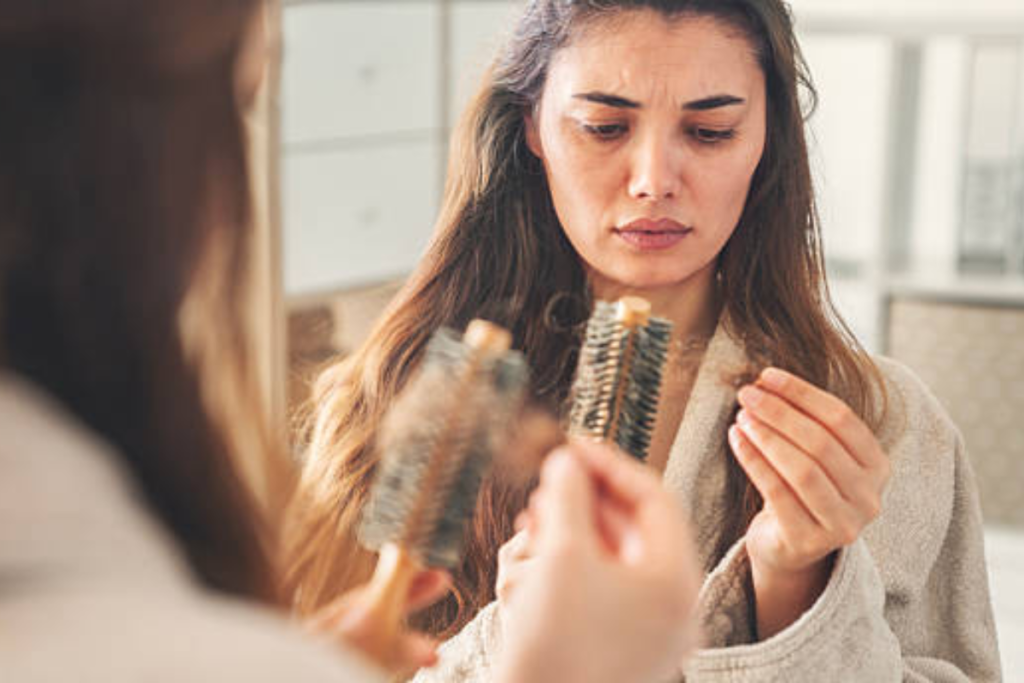
Before treatments, let’s talk truth because most blogs skip this part.
“I try everything, but my hair never improves”
This is the most common frustration. Many girls invest in expensive shampoos, oils, and masks, yet see no change. Why?
Because products alone cannot fix damaged habits.
“My hair looks fine one day and terrible the next”
Humidity, heat styling, and over-washing make hair unpredictable. This creates confusion and self-doubt.
“I’m scared to trim my hair”
Girls often avoid trimming because they want long hair. Sadly, avoiding trims makes split ends travel upward causing even more length loss later.
These issues are real. And they matter.
A Real Hair Experience: When Damage Slowly Takes Over
One reader shared her story with me. She was a university student who used a straightener “just once or twice a week.” Within six months, her hair ends became dry and uneven. She blamed her shampoo. She blamed oil brands. But the real issue was no heat protection and no trims for over a year.
Once she fixed these two things, her hair didn’t change overnight but within 10 weeks, breakage reduced by almost half.
This is how hair healing actually works slow, steady, realistic.
The Truth Most Hair Advice Avoids
Split ends are not a cosmetic issue.
They are a mechanical failure of the hair fiber.
Once you understand why hair splits, dryness finally makes sense and treatments stop being guesswork.
Hair damage happens in layers:
- Internal bond breakdown
- Cuticle erosion
- Moisture imbalance
Most routines only treat the surface. That’s why results feel temporary.
What “Dry, Damaged Hair” Really Means (And Why Words Matter)
Many people use “dry” and “damaged” interchangeably. They are not the same.
Dry Hair
- Lacks moisture
- Feels rough
- Improves temporarily with conditioners
Damaged Hair
- Has broken internal bonds
- Snaps easily
- Feels soft and weak
- Does not recover with moisture alone
Split Ends
- Result from repeated stress on weakened hair
- Once formed, they travel upward unless stopped
Most people treat dryness when the real issue is structural weakness.
Why Most Treatments Fail (Even Expensive Ones)
1. Moisture Without Strength Makes Hair Weaker
Over-conditioning damaged hair causes swelling. Swollen hair fibers split faster under tension.
Soft does not mean strong.
2. Oils Create Illusion, Not Repair
Oils smooth the cuticle temporarily. They do nothing for broken bonds inside the hair shaft.
Shine ≠ repair.
3. “Repair” Shampoos Don’t Stay Long Enough
Hair repair requires time + concentration. Rinse-off cleansers can’t rebuild damage in 60 seconds.
4. Trimming Alone Doesn’t Solve the Root Cause
Cuts remove damage but don’t stop new split ends from forming.
Without prevention, the cycle repeats.
Over-Soft Hair Breaks Faster Than Slightly Dry Hair
Extremely conditioned hair lacks resistance. When stretched, it snaps instead of bouncing back.
This is why:
- Hair feels silky after masks
- Then breaks more during brushing
Balance matters more than moisture quantity.
Friction Is a Bigger Enemy Than Heat
Daily friction from:
- Cotton pillowcases
- Scarves
- Rough towel drying
- Loose hair rubbing against clothes
- causes more cumulative damage than occasional heat styling.
Hard Water Mimics Hair Damage
Mineral buildup:
- Blocks moisture absorption
- Makes hair stiff and brittle
- Causes products to “stop working”
Many people treat damage that’s actually water chemistry.
The Correct Treatment Philosophy
To truly treat dry, damaged hair with split ends, follow this order:
STOP DAMAGE → REPAIR STRUCTURE → REBALANCE MOISTURE → PREVENT FRICTION
Changing the order changes everything.
Stop the Damage Cycle First
Before buying products, fix habits.
Damage Accelerators
- Heat above 180°C (350°F)
- Daily washing
- Brushing soaking-wet hair without slip
- Tight hairstyles on fragile ends
No treatment can out-repair ongoing abuse.
Rebuild Internal Bonds (The Non-Negotiable Step)
Bond damage is why hair splits.
Look for treatments that:
- Reconnect broken sulfur bonds
- Work before conditioning
- Are used weekly, not daily
These treatments improve:
- Tensile strength
- Elasticity
- Breakage resistance
This is where real transformation begins.
Moisture—But Strategically
After bond repair:
Lightweight hydration
Mid-lengths to ends only
Avoid heavy butters on fine or fragile hair
Signs you need less moisture, not more:
- Hair feels mushy when wet
- Breaks after masks
- Takes forever to dry
Step 4: Seal and Protect Split Ends
Split ends cannot be healed but they can be controlled.
Best tools:
- Silicone-based leave-ins (yes, silicone)
- Heat-activated sealers
- Micro-trims every 8–10 weeks
This reduces friction and stops splits from traveling upward.
Professional Treatments Worth Considering
Not all salon treatments are equal.
Worth It
- Bond repair systems
- Professional chelating treatments
- Hair botox (when done correctly)
Be Cautious With
- Keratin on fragile hair
- Heavy protein overload
- Repeated smoothing treatments
Salon care should support, not replace, at-home discipline.
Weekly Repair Routine (Editor-Approved)
Wash Day
- Gentle cleanser
- Bond repair treatment (1–2× weekly)
- Lightweight conditioner
Post-Wash
- Leave-in with slip
- Heat protectant (always)
Night Care
- Silk or satin pillowcase
- Loose braid or bonnet
Consistency beats luxury.
Common Mistakes That Quietly Ruin Progress
- Over-oiling split ends
- Skipping trims “to save length”
- Mixing protein masks with bond builders
- Air-drying dripping-wet hair daily
Damage doesn’t come from one mistake—it comes from repetition.
Can split ends be repaired permanently?
No. They must be trimmed. Treatments prevent worsening.
How long until hair improves?
- Strength: 2–3 weeks
- Texture: 4–6 weeks
- Breakage reduction: ~2 months
Are natural remedies enough?
Only for mild dryness—not structural damage.
Is heat styling always bad?
Controlled heat with protection is safer than rough air-drying.
How often should I trim?
Every 8–10 weeks, even if just dusting.
Final Thoughts
Dry, damaged hair with split ends isn’t a mystery.
It’s a system failure—and systems can be fixed.
When you stop chasing softness and start prioritizing strength, balance, and prevention, hair stops breaking. Length stays intact. Texture improves.
That’s not marketing.
That’s hair science applied correctly.