

Table of Contents
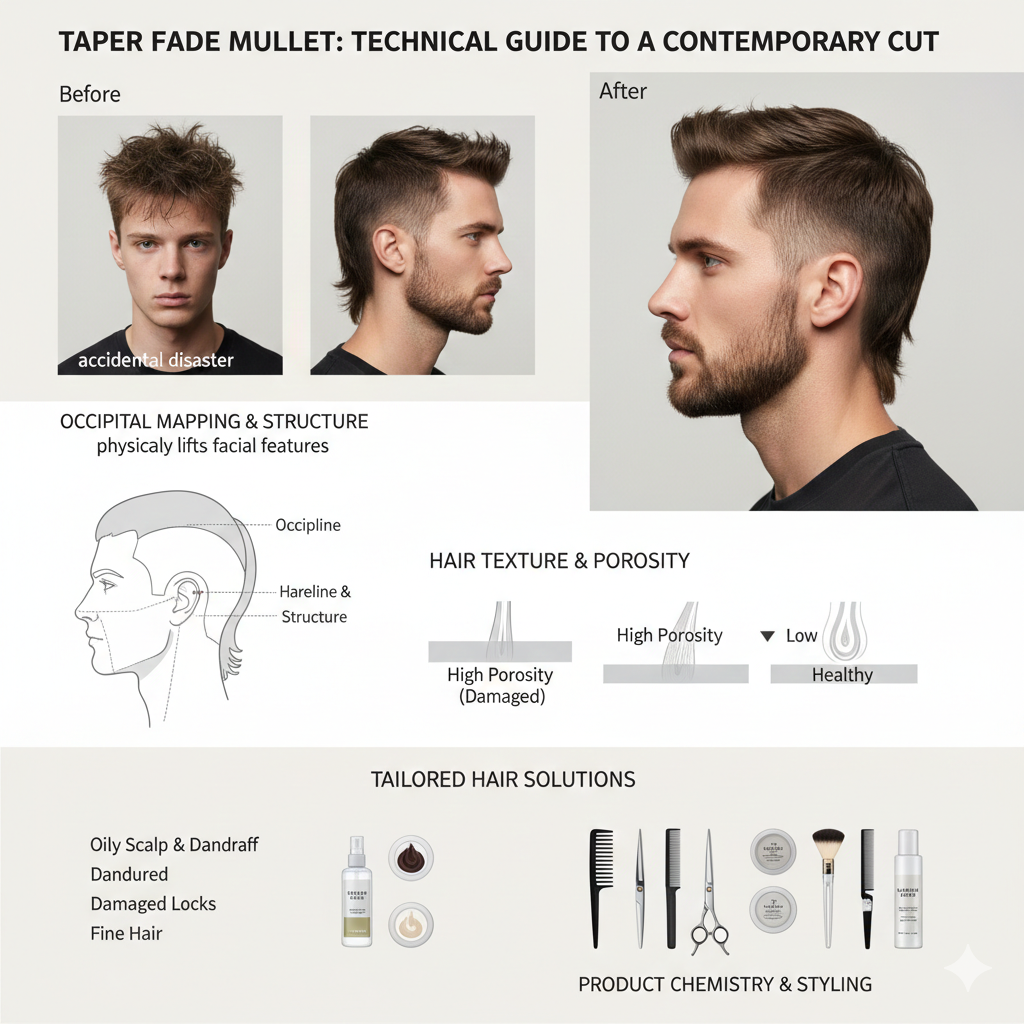
When you walk out of a barber’s chair and your haircut looks more like an “accidental disaster” than a style statement, I know exactly how you feel. When they ask for a taper fade mullet, most people get a barber who just shaves the sides and leaves the back long, ruining the look completely. A poor haircut can make your hair look untidy rather than edgy if you have dry, frizzy, or high porosity hair. Occipital Mapping, a technique that physically lifts your facial features, is the only thing that makes the difference between a “basement cut” and a professional look
. The appropriate technical approach can effectively manage issues such as oily hair and a dry scalp, damaged locks, fine hair, or constant hair loss. In addition to allowing your hair to grow long in the back, this style is a surgical combination of science and aesthetics that can be tailored to suit any hair type.
To ensure that your taper fade mullet looks intentional, fresh, and high-fashion every day, we will delve into the technical secrets of hair health and structural management in this guide. To give you the best advantage, we will investigate everything from bone structure to product chemistry.
The Art of Occipital Mapping as a Science
While the majority of guides provide you with basic instructions, elite barbers use Occipital Mapping to precisely cut your skull. Identifying the Occipital Bone the bump at the back of your head is the first step. For a perfect mullet, the length should begin exactly 0.5cm above this bone to ensure the back has enough volume to “hang” correctly without looking flat or disconnected. This mapping makes sure that the transition between the long back and faded sides follows your head’s natural curve.
The C-Stroke method is used in the second phase. The barber uses a curved motion to create a skin-tight taper at the temples rather than a straight vertical fade. This frames the face and makes the jawline appear significantly more prominent by creating a sharp “C” shape around the ear. A subtle distinction exists between a standard fade from a barbershop and a high-end salon cut. By focusing on these specific points, the barber can manipulate light and shadow to enhance your bone structure.
Weight reduction and texture modification
Internal Weight Removal is the technical step that is most important. The barber removes “hidden bulk” from the interior of the hair with specialized shears. Instead of stacking up into a “helmet,” this lets the hair flow naturally toward the back. If you want a slimmer profile and have thick or coarse hair, this is especially important. Without this step, the mullet frequently appears unmanaged and wide, losing its iconic sharpness.
Make a request for Point Cutting on the crown to complete the look. The barber cuts the hair at an angle rather than cutting it in a straight line. This prevents blunt ends and results in “directional texture,” which means that your hair will naturally fall into a stylish, messy look without the need for a lot of product to hold it in place. For hair that tends to lay flat or lose volume throughout the day, this method is essential for creating movement.
Management Everyday:From the Boardroom to the Street
A lot of people aren’t sure if a mullet can be “professional.” Modern styling versatility is the answer. Apply a light-hold styling cream and lightly brush the front hair back for a business setting. While the length in the back remains neatly tucked behind the collar, the sharp taper on the sides provides a clean, disciplined appearance. Because it conveys both discipline and artistic flair, the “Creative Professional” look is extremely popular.
The look can be changed in just five minutes for a casual night out. Use your fingers to break up the structure after applying a small amount of texture powder. This highlights the contrast of the haircut by creating a high-volume, “lived-in” vibe. Because of its adaptability, the mullet is the ideal hairstyle for people who need to strike a balance between a serious career and an edgy personal identity. It adjusts to your surroundings, allowing you to seamlessly transition from a morning meeting to a late-night concert.
Strategic Advantage: Proper Profile Geometry Corrective
Profile Geometry is one of this haircut’s greatest technical advantages. A typical short haircut can make your profile appear unbalanced if you have a flat head (brachycephalic). From a side view, the mullet gives the head an artificial curve and volume at the back, giving it a perfectly rounded appearance. This is an effective method for concealing structural flaws that other haircuts typically emphasize.
It provides an instant facial lift in addition to bone structure. The taper draws the eye upward and outward toward the cheekbones because it is focused on the temples. The skin appears to be tighter and the jawline appears sharper and more defined as a result. By cleverly utilizing shadow and hair density, it is basically a non-surgical method of enhancing your facial features to make you appear more youthful and athletic.
Maintenance for a long time and sustainability
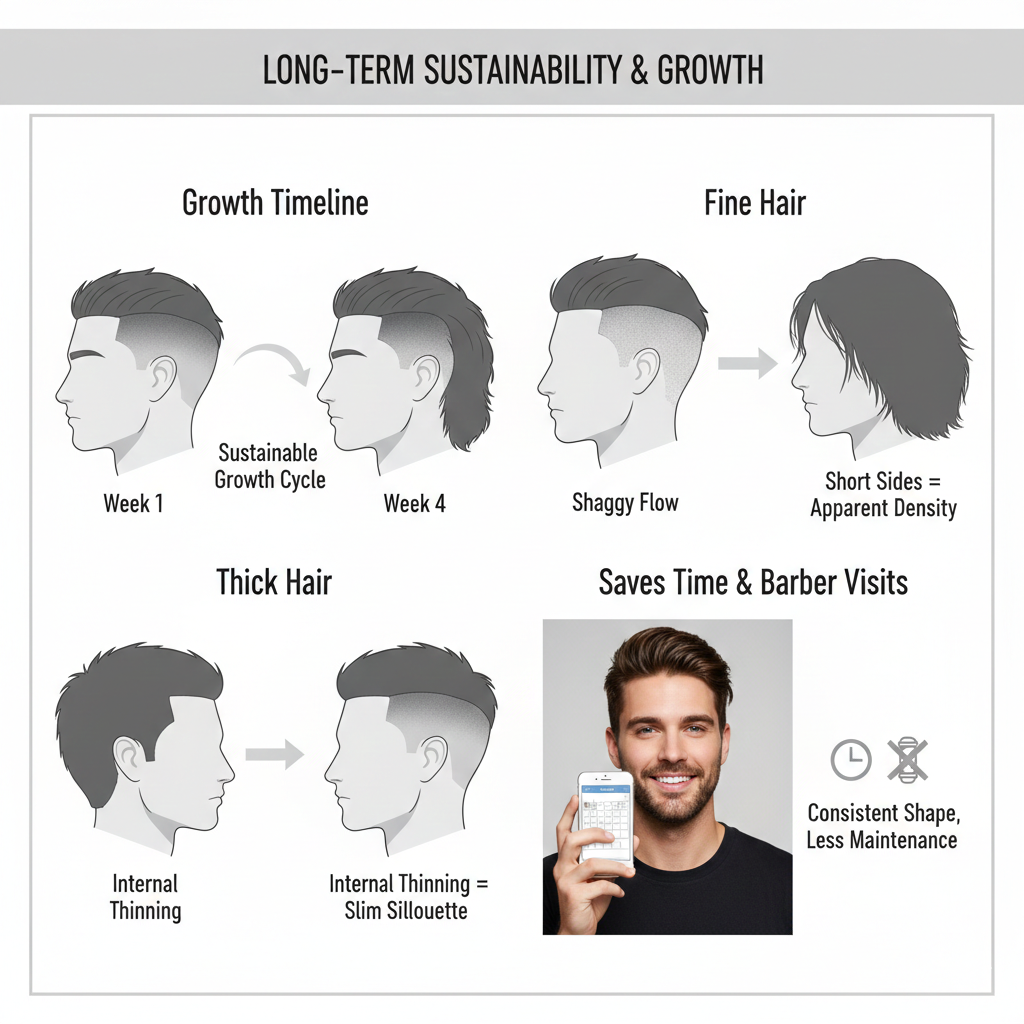
The taper fade mullet has a sustainable growth cycle, in contrast to high-skin fades, which appear “grown out” and messy after just one week. The haircut actually develops into a trendy “shaggy flow” as it grows because the transition between the taper and the long hair is deliberate. It saves you time because you don’t have to rush to the barber every ten days to keep your look in good shape.
Additionally, this cut aids in the management of hair density issues. The short sides make the hair on top and back appear much thicker and denser for people with fine hair. Internal thinning techniques provide relief and movement for people with thick hair. It is a visual trick that, regardless of your hair’s natural state, ensures that the silhouette stays the same even as the length grows over the course of a few weeks.
Insights: The Unnoticed Nape Compression
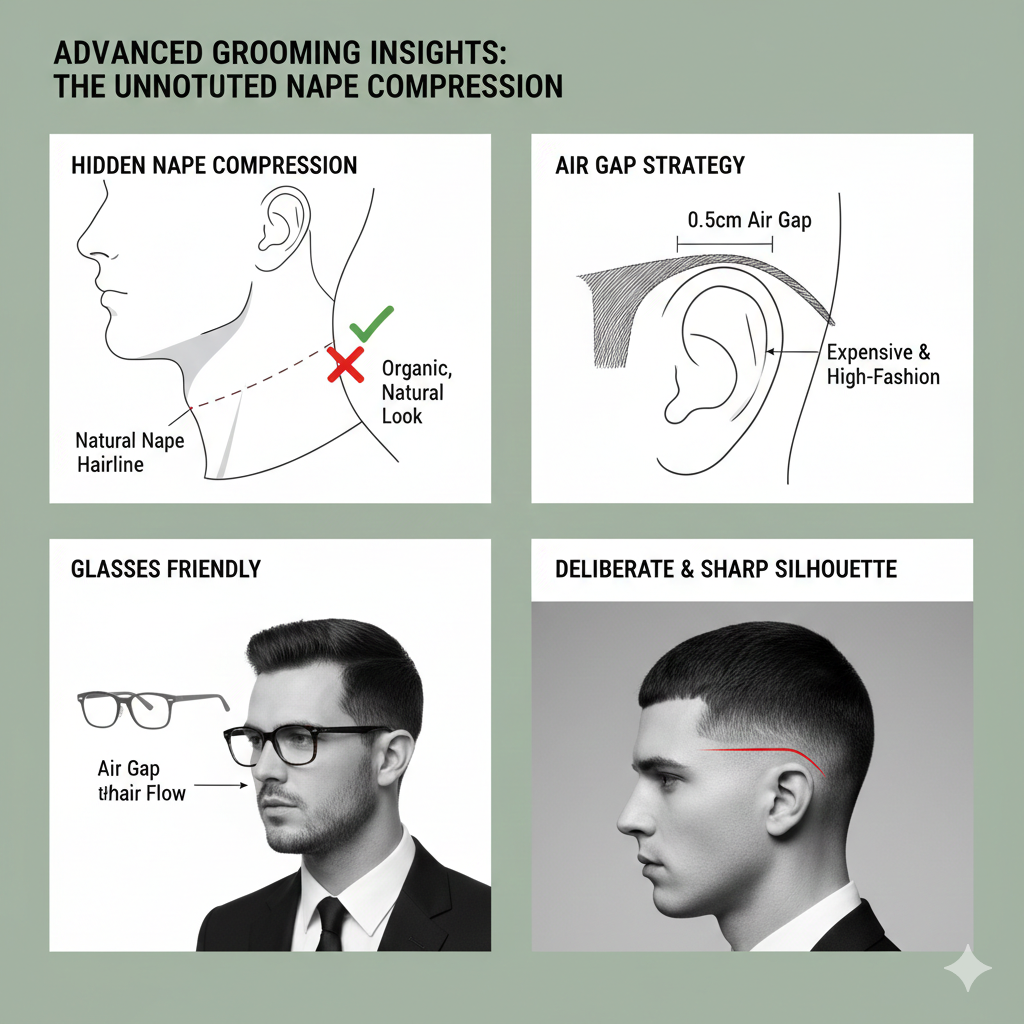
Hidden Nape Compression is a secret trend in high-end grooming that is moving away from the “High Fade.” This involves keeping the temple areas surgically sharp while maintaining the natural hairline at the very bottom of the neck. This avoids the appearance of a “forced” or “costume” haircut and gives the mullet a more organic and natural appearance. It exudes a rough-and-tumble elegance that is extremely popular right now. The Air Gap Strategy is another pro secret.
The skin directly above the ear’s top should be exactly 0.5 centimeters apart. The haircut appears “expensive” and high-fashion due to the limited space. It also has a practical use because it makes it easier to wear glasses without interfering with the flow of the hair. By keeping the overall silhouette clean and sharp at the ear, the style looks more deliberate than haphazard.
Celebrity Texture Can Be Achieved With Product Layering
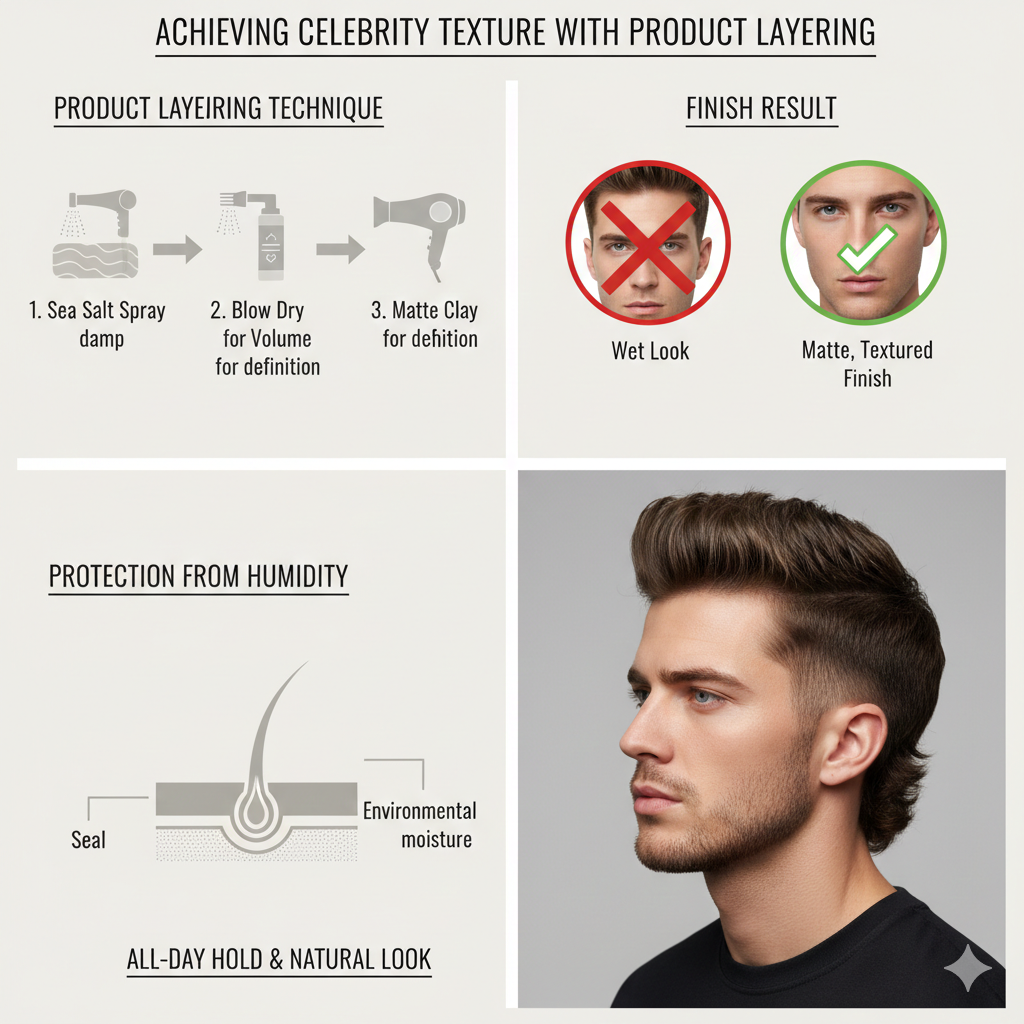
The majority of men make the mistake of only using one product. You need to layer in order to achieve that “celebrity texture.” To establish a base of “grit,” spray some sea salt on damp hair first. After blow-drying the hair to increase volume, apply a small amount of Matte Clay to define the ends and secure the style. The result is a matte, textured finish that lasts throughout the day without feeling stiff or crunchy.
The secret to hair that stays in place all day while still appearing touchable and natural is this layering technique. It ensures that your hair does not appear greasy or weighted down, avoiding the “wet look” of cheap gels. You can guarantee that the mullet appears deliberate by using products that match the porosity of your hair. When layering correctly, the hair is also shielded from humidity from the environment, which is a big win for those who want to keep their style looking good in all kinds of weather.
Care for the Scalp and Control of Damage
A style is only as good as the hair on which it is built. Your mullet won’t have the “swing” that makes it famous if you have a dry scalp or damaged ends. Using shampoos that don’t strip natural oils and don’t contain sulfates is essential for maintaining a healthy pH balance in the scalp. For maintaining the length and volume required for a high-quality mullet silhouette, healthy follicles lead to stronger hair.
A weekly deep-conditioning mask for the mullet’s “tail” is essential for people with dry hair. Split ends and “friction damage” can occur when the back of the hair rubs against your
collar. Frizz can be avoided and the silhouette can remain sharp and polished by applying a small amount of hair oil to the tips. Keep in mind that healthier hair reflects more light, giving your taper fade mullet a high-end, well-groomed appearance.
Knowing About the Growth Cycle
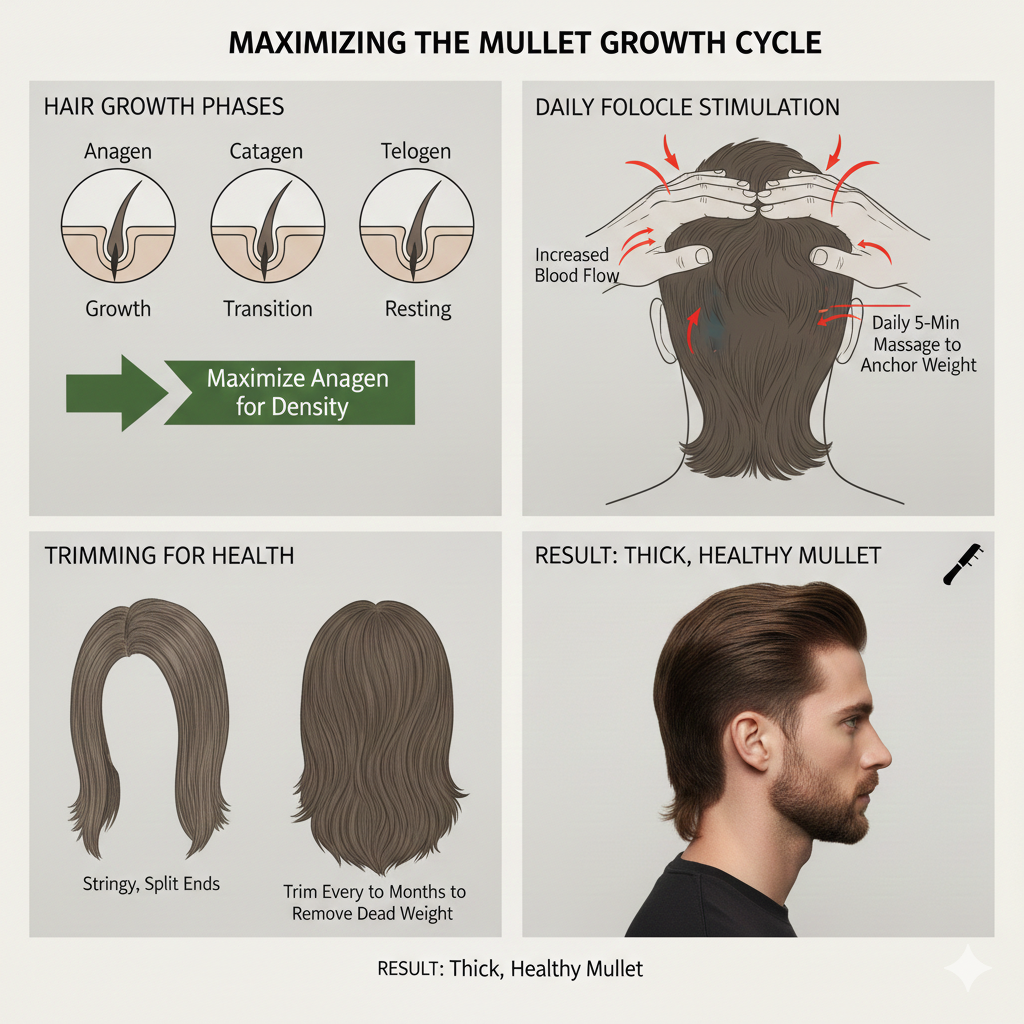
Anagen, Catagen, and Telogen are the three phases of hair growth. Maximizing the Anagen (growth) phase is necessary to maintain a dense appearance for mullets. A daily five-minute scalp massage can keep your mullet’s back thick and healthy by increasing blood flow to the follicles. This is especially crucial for the back area, which is the “anchor” for the visual weight of the entire style.
A balance between back length and top growth is necessary for a healthy mullet. You should trim the ends slightly every three months to get rid of split ends and dead weight. This keeps the hair from appearing “stringy” and keeps the volume concentrated at the crown and base of the head, where it matters most. You can work with your hair’s natural rhythm instead of fighting it by understanding these cycles
.
Conclusion
The taper fade mullet is more than just a haircut; it is also a deliberate choice for the modern man who doesn’t follow the crowd when it comes to grooming. You can transform a traditional look into a high-fashion statement that fits your unique bone structure by concentrating on technical aspects like Occipital Mapping and Internal Weight Removal. This cut provides a structural solution that grows out beautifully and remains adaptable to any setting, whether you are trying to manage fine hair, dry hair, or frizzy hair.
Your mullet will remain sharp, healthy, and purposeful from every angle if you prioritize scalp care and invest in the appropriate Product Layering. This style offers a sophisticated edge that is unmatched by more conventional fades and serves as a link between tradition and rebellion. Keep in mind that proper care is essential to the look’s longevity as you progress with it. A mullet that is well-kept is a sign of personal style and expert grooming.
Frequently Asked Questions (FAQ)
Can a taper fade mullet help hide thinning hair?
Yes, absolutely. By using a tight temple taper, you create a sharp contrast that makes the hair on the crown and back appear significantly denser. This is a top-tier strategy for those with hairfine hair who want to create the illusion of a fuller, thicker head of hair.
How do I fix my mullet if it looks frizzy and dry?
Frizzy hair and dry hair are often signs of high porosity. To fix this, stop using high-heat blow dryers without a heat protectant. Apply a leave-in conditioner or a tiny amount of hair oil to the “tail” of the mullet to seal the cuticle and prevent the hair from looking like straw.
Is this haircut suitable for someone with an oily hair type?
Yes, it is actually ideal. Because the sides are faded short, there is less hair to trap sebum (oil) near the face. If you have oily hair, use a Texture Powder or a dry shampoo daily. This will absorb excess oil while giving you the volume and “grit” needed to keep the mullet from falling flat.
What should I do if I have a dry scalp but oily hair?
This is a common issue often caused by an imbalanced Scalp pH Balance. Use a clarifying shampoo once a week on your scalp but focus your conditioner only on the long hair in the back. This ensures your dry scalp gets treated without adding extra oil to your roots.
How often should I visit the barber to maintain the fade?
To keep the temple taper looking surgically sharp, we recommend a touch-up every 2 to 3 weeks. However, because the mullet has a sustainable grow-out phase, the back length only needs a trim every 8 to 12 weeks to remove any hairdamaged split ends.