
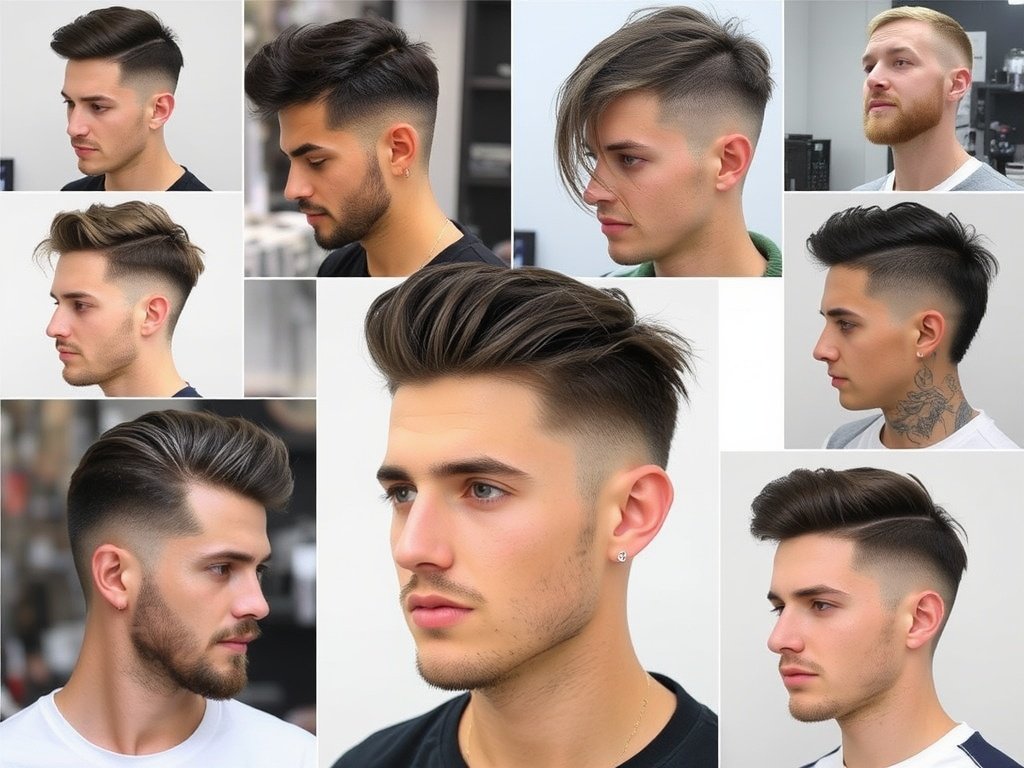
Three haircuts are dominating barbershop chairs and going viral on every platform in 2026: the Modern Mullet, the French Crop, and the Middle Part. Whether you’re after something edgy and retro or clean and minimal, these cuts cover every personality. This guide breaks down every variation, from the fade mullet to the French crop two block, so you walk into your next appointment knowing exactly what to ask for.
The Modern Mullet — 2026’s #1 Viral Cut
The mullet is no longer a punchline. It’s the most-searched men’s haircut of 2026, reimagined with clean fades and textured styling that make it feel completely current.
Modern Mullet
The modern mullet keeps the core DNA intact short on the sides, long in the back but replaces the dated shaggy look with sharp fading and controlled texture on top. The result is a cut that feels bold without looking sloppy. Ask your barber for a disconnected top with soft layering and a defined neckline to keep it looking intentional.
Modern Mullet Fade
The fade mullet adds a skin or mid fade on the sides, creating a strong contrast between the cropped sides and the flowing back section. This is the version you’re seeing everywhere on TikTok and Instagram. The fade gives it a polished edge that makes the mullet wearable in almost any setting casual or smart.
Fade Mullet
The fade mullet and the modern mullet fade are closely related, but the fade mullet tends to push the contrast further, sometimes going all the way to a skin fade. If you want maximum visual impact and a cut that photographs well, this is it. Pair it with a textured clay to define movement in the back without making it stiff.
Short Mullet Haircut
The short mullet is the entry point into this style, a great option if you’re not ready to commit to a full-length back. The top and back sit at a similar shorter length, with the sides still faded short. It reads as a stylish modern cut with just a hint of mullet energy. Perfect for workplaces with stricter dress codes.
French Crop — The Timeless Modern Classic
The French Crop has been a staple of modern barbering for years, and in 2026 it continues to evolve. Its defining features, a blunt fringe, short faded sides, and textured top make it one of the most versatile cuts a man can get.
French Crop
The classic French Crop features a straight fringe cut across the forehead, with faded or tapered sides and a slightly textured top. It works on straight, wavy, and curly hair. It suits almost every face shape. It requires minimal styling. This is why it remains one of the most recommended cuts by barbers worldwide. Use a texture clay or molding paste to shape the fringe forward and lock in the look.
French Crop Fade
The French Crop Fade adds a skin or mid fade to the standard crop, sharpening the overall silhouette. The contrast between the faded sides and the structured fringe gives the cut a more elevated, high-fashion feel. A low or mid fade is the most popular pairing; it keeps the balance between the fringe and the sides looking natural.
French Crop Mid Fade
The French Crop Mid Fade is arguably the most popular variation right now. The fade starts around the temples and blends down smoothly, adding definition without going too extreme. The fringe stays sharp and straight, the top retains light texture, and the overall cut is clean enough for formal occasions while still being expressive.
Textured Crop
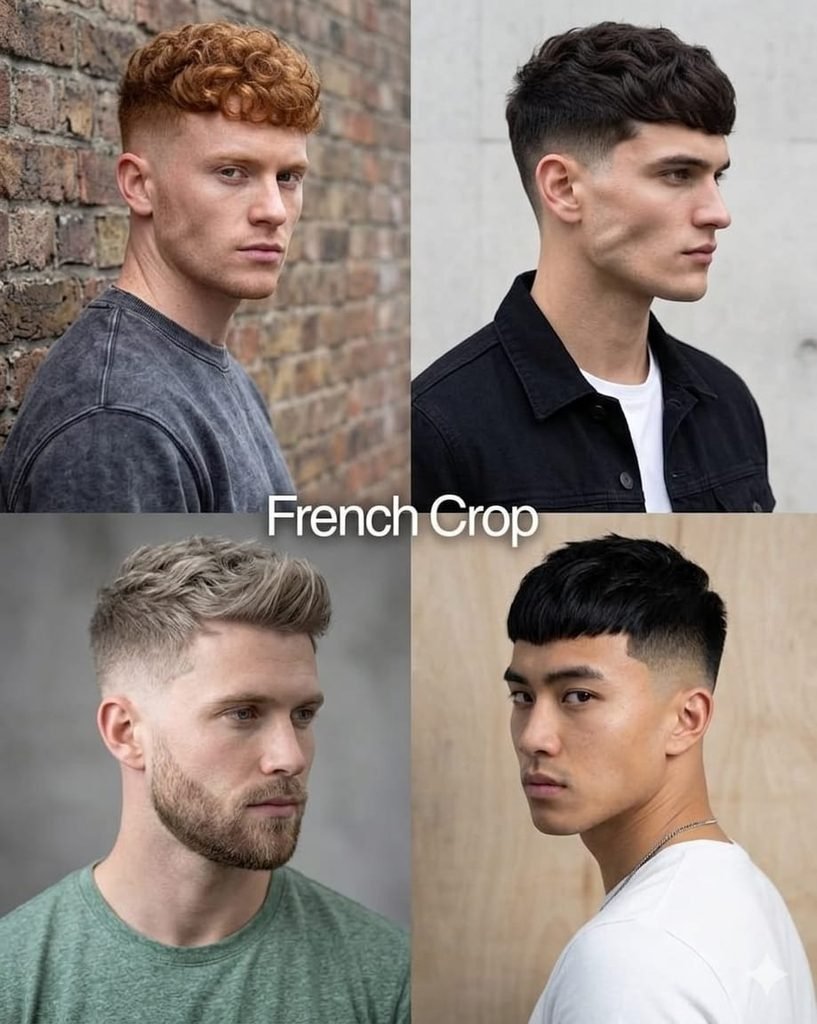
The textured crop takes the French Crop and adds choppy, layered texture on top for a more casual, lived-in finish. Rather than a perfectly flat fringe, you get movement and volume. Blow-dry the top forward and work in a texture clay with your fingers to separate strands and build natural definition. This variation works especially well for men with naturally wavy or slightly thick hair.
French Crop Two Block
The French Crop Two Block blends two distinct styles: the Korean-inspired two block haircut and the sharp fringe of the French crop. The result is a longer textured top with cropped sides that sit noticeably shorter, creating a clear two-block structure. Style the top forward with texture powder for lift, then apply molding paste for hold. It’s a clean, youthful cut that’s growing fast in popularity across Asia and Western markets alike.
Middle Part — The Gen Z Signature
The middle part has been a defining look for Gen Z and younger millennials, and it’s not slowing down. Parted evenly down the center, this style lets the natural shape of your hair frame the face symmetrically.
Middle Part Men
The middle part works best on men with medium-length hair long enough to fall on both sides of the face without looking flat. The key is letting natural texture do the work. A light styling cream or sea salt spray gives it the effortless, slightly undone finish that makes this style look intentional rather than unstyled.
Middle Part Mullet
The middle part mullet combines two of 2026’s biggest trends into one cut. The hair is parted evenly in the center, styled with soft waves or natural texture on top, while the back retains the signature mullet length. It’s a retro-modern hybrid that works particularly well for men with naturally wavy or straight hair.
The Crossover Cuts — When Styles Meet
French Crop Mullet
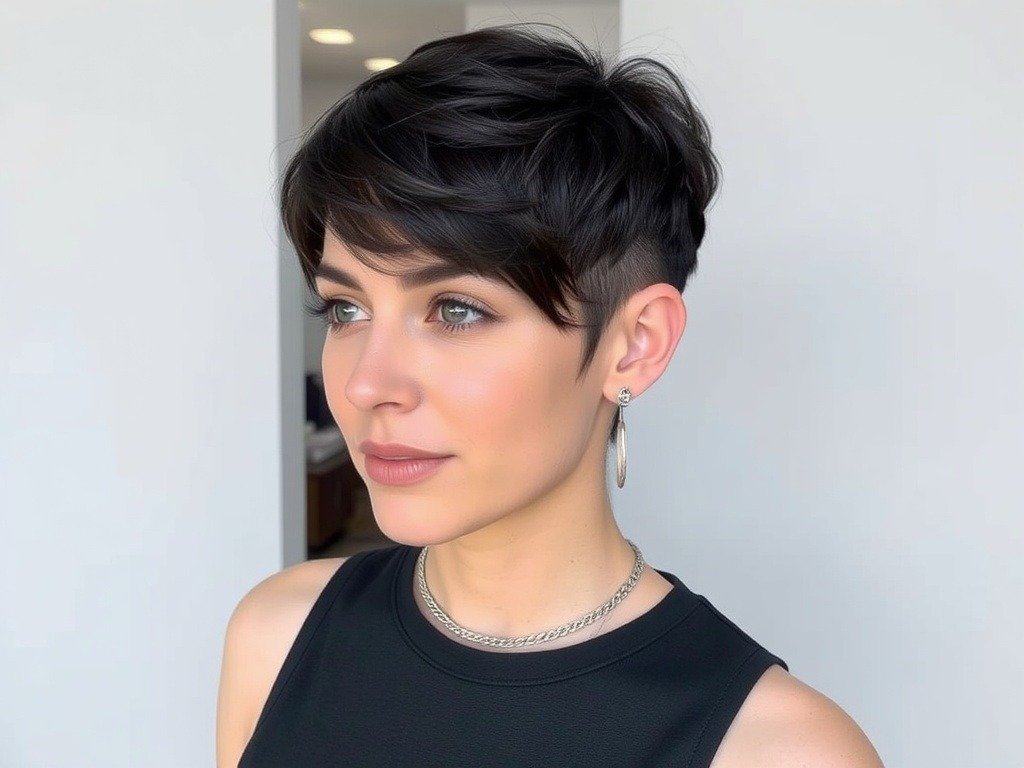
The French Crop Mullet is the hybrid that’s generating the most attention right now. It takes the clean, structured fringe of the French Crop and applies the short-sides-long-back philosophy of the mullet. The front reads classic and groomed, while the back makes a statement. To style it, apply a texture clay to the top and fringe area, and use a light cream or oil on the back section to control and define the length.
French Crop Mullet Fade
Adding a fade to the French Crop Mullet sharpens everything up. The fade creates a clear transition from the cropped sides to the longer back, while the fringe remains the visual anchor at the front. This is one of the most technically demanding cuts on this list: find a barber who’s comfortable with both crop and mullet work before booking.
Short Mullet French Crop
The short mullet French crop is a more conservative take on the above. The back doesn’t go as long, making it easier to maintain and more suitable for everyday wear. The fringe is still blunt and defined, but the overall silhouette is compact. This is a great first step if you’re experimenting with the mullet-crop hybrid for the first time.
French Crop Mullet Straight Hair
For men with straight hair, the French Crop Mullet is actually easier to execute because the hair follows a clean, predictable line. The fringe sits flat and sharp, the sides fade smoothly, and the back hangs straight without frizz or volume. Use a lightweight molding paste to define the fringe and keep the back sleek without weighing it down.
How to Style These Cuts — Product Guide
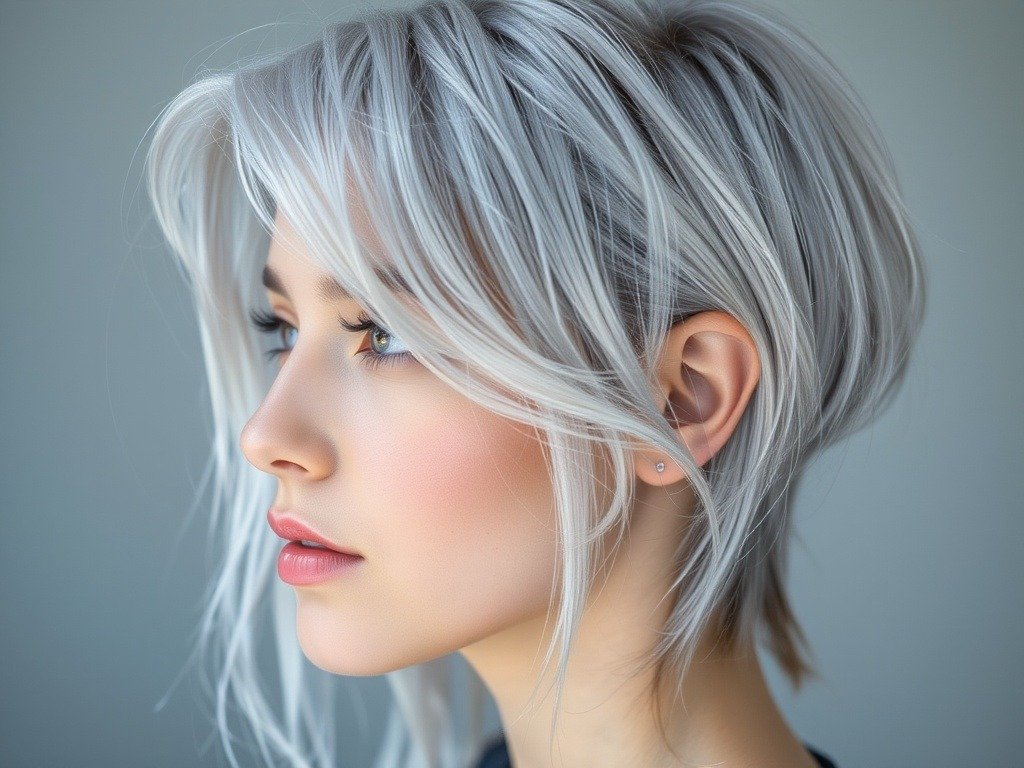
Texture Clay Best for French Crop, Textured Crop, and Mullet styling. Provides a matte finish with strong, flexible hold. Work it through dry hair with your fingertips.
Molding Paste Ideal for French Crop Fade and French Crop Two Block. Gives control without stiffness. Blow-dry first, then apply.
Sea Salt Spray Works well for the Middle Part and looser mullet styles. Enhances natural texture and adds that effortless finish.
Styling Cream Great for the Middle Part Mullet and short mullet. Keeps hair hydrated and adds light definition without buildup.
Face Shape Guide — Which Cut Suits You?
Oval face Lucky. Every cut on this list will work for you. The French Crop Mid Fade and Modern Mullet look particularly sharp.
Square face The Middle Part and French Crop both soften angular jawlines naturally. Avoid very tight skin fades which can over-emphasize squareness.
Round face The Modern Mullet Fade adds height and length, which helps elongate round faces. The textured crop also works well here.
Heart face The French Crop Two Block and French Crop Mullet are excellent choices. The volume at the back balances a wider forehead.
Oblong/long face The Middle Part is your best friend. It adds width and softness, counterbalancing length. The short mullet works well here too.
Maintenance Schedule
All of these cuts require regular attention to stay sharp. Book a trim every 3 to 4 weeks for the French Crop and Textured Crop to maintain fringe length and clean fades. The Mullet can stretch to 4 to 5 weeks between trims depending on how fast your hair grows. The Middle Part is the most forgiving 4 to 6 weeks is generally fine, though you’ll want to keep the sides clean.
Wash hair 2 to 3 times per week using a lightweight shampoo and conditioner. Avoid heavy, shiny pomades on matte cuts; they’ll compromise the texture and finish.
FAQs
What is a French Crop Mullet?
A French Crop Mullet is a hybrid haircut that combines the blunt, structured fringe of a French Crop at the front with the longer back length of a mullet. The sides are usually faded short, creating a clean contrast between the defined fringe and the flowing back section. It’s one of the most trending men’s cuts of 2026.
What is the difference between a mullet fade and a modern mullet?
A modern mullet refers to the overall updated, contemporary version of the classic mullet with sharper styling, cleaner lines, and textured top work. A mullet fade specifically adds a skin or mid fade to the sides. Every mullet fade is a modern mullet, but not every modern mullet includes a fade.
Does the French Crop work for all hair types?
Yes. The French Crop is one of the most versatile men’s cuts available. It works on straight, wavy, and curly hair. The fringe and fade are adjusted to complement different textures. Curly hair naturally adds volume to the top, which can make the crop look especially full and dynamic.
What fade works best with a French Crop?
A low or mid fade is the most popular pairing with a French Crop. Low fades keep the look subtle and clean. Mid fades create more contrast and give the cut a sharper, more defined silhouette. Skin fades are used for maximum contrast, particularly in the French Crop Mullet Fade variation.
Is the middle part suitable for men with thick hair?
Yes, the middle part works well for thick hair but the hair may need to be thinned slightly by your barber to prevent excessive puffiness. Medium-length hair gives the middle part the best drape and movement.
What is a French Crop Two Block?
The French Crop Two Block is a fusion of the Korean two block haircut and the French Crop. It features a longer textured top with noticeably shorter sides and back, creating two distinct length sections. The fringe sits across the forehead like a classic French Crop, giving the overall cut a clean but youthful feel.
Can I get a mullet with straight hair?
Absolutely. Straight hair is actually one of the easiest textures to work with for a mullet. The back hangs cleanly, the fringe sits flat and sharp, and the fade blends smoothly. Use a lightweight molding paste or styling cream to keep everything defined without adding bulk.
What’s the difference between a French Crop and a Textured Crop?
A French Crop has a straight, defined fringe across the forehead; the fringe is the defining feature. A Textured Crop focuses more on choppy, layered texture on top, with the fringe being secondary. The Textured Crop has a more casual, tousled appearance, while the French Crop reads sharper and more structured.
How long does a mullet need to be in the back?
It depends on the variation. A short mullet has only a few inches of extra length in the back. A full modern mullet can have several inches. Most barbers recommend starting shorter and growing it out, rather than asking for maximum length on the first cut.
Is the French Crop Mullet appropriate for professional settings?
It depends on the workplace. A short mullet French crop with a clean fade can work in creative and casual professional environments. For very formal settings, a standard French Crop or Textured Crop would be a safer choice. The longer the mullet back, the more casual the overall impression.